Why muscle mass matters more than most people realise
From around the age of 35, most people lose between three and eight percent of their muscle mass per decade. After menopause, that rate accelerates significantly in women due to the loss of oestrogen, which plays a key role in muscle protein synthesis and muscle quality.
This isn't just an aesthetic issue. Muscle mass is one of the strongest predictors of long-term health outcomes. It underpins your metabolic rate, your insulin sensitivity, your functional capacity as you age, your ability to recover from illness or surgery, and your protection against falls and fractures. The medical term for significant age-related muscle loss is sarcopenia, and it's increasingly recognised as a major driver of poor health outcomes in older adults — comparable in significance to smoking or obesity.
The good news is that muscle loss is not inevitable. It's largely driven by disuse, and the body remains responsive to the right stimulus well into old age. People in their seventies, eighties, and even nineties demonstrably gain muscle mass and strength with appropriate resistance training.
Why bone density needs the same conversation
Bone is living tissue that responds to mechanical load. When you apply force to a bone — through muscle contraction and the impact of movement against gravity — it responds by becoming denser and stronger. This is Wolff's Law, and it's the foundational principle behind exercise for bone health.
The key word is load. The stimulus needs to be sufficient to challenge the bone. Walking provides some ground reaction force through the lower limbs, which is better than nothing — but it's a relatively modest stimulus, and the upper body and spine receive almost none of it. Swimming, for all its cardiovascular benefits, is essentially unloaded — the buoyancy of water removes the gravitational stress that drives bone adaptation.
For people at risk of osteopenia or osteoporosis — which includes most postmenopausal women and many older men — the evidence is clear that progressive resistance training and impact exercise are the most effective non-pharmacological interventions for maintaining and building bone density.
What the research says about walking
Walking is associated with a wide range of health benefits — cardiovascular health, blood pressure, blood sugar regulation, mental health, longevity. We are not suggesting people stop walking. Regular walking is one of the best things you can do for your overall health.
But when it comes to muscle mass and bone density specifically, walking falls short. The load is too low and too consistent to drive meaningful adaptation. Your body adapts to walking relatively quickly, and once adapted, continued walking at the same intensity maintains the adaptation rather than building on it. To build muscle, the stimulus needs to be progressive — meaning it needs to become more challenging over time.
So what actually counts?
Resistance training — also called strength training or weight training — involves applying a load to the musculoskeletal system that challenges it beyond what it can comfortably handle, forcing adaptation. The load can come from free weights, machines, resistance bands, or your own bodyweight — but the principle is the same. To build muscle and strengthen bone, the exercise needs to be genuinely challenging for the muscles being targeted.
A few principles matter here.
- Progressive overload is the most important concept in resistance training. It means that over time, the demands placed on the body need to increase — through more weight, more repetitions, less rest, or more complex movement patterns. Without progression, training maintains rather than builds.
- Compound movements
— exercises that involve multiple joints and muscle groups simultaneously — are generally more effective and time-efficient than isolated single-joint exercises. Squats, deadlifts, lunges, rows, and presses all qualify. They also mimic the demands of real life more closely than most machine-based exercises.
- Sufficient intensity is non-negotiable. Research suggests that sets taken close to muscular failure — meaning the last few repetitions feel genuinely hard — are required to drive muscle protein synthesis. Sets that end well short of fatigue, with loads that feel comfortable throughout, don't provide a sufficient stimulus regardless of how many you do.
- Frequency matters but not as much as
consistency. Two to three resistance training sessions per week, done consistently over months and years, produces far better outcomes than sporadic intense phases followed by long breaks.
Where to start if you haven't before
The most common barrier we hear is not knowing where to start — and it's a legitimate one. Walking into a gym with no experience and trying to work out what to do is genuinely daunting, and doing it wrong creates injury risk.
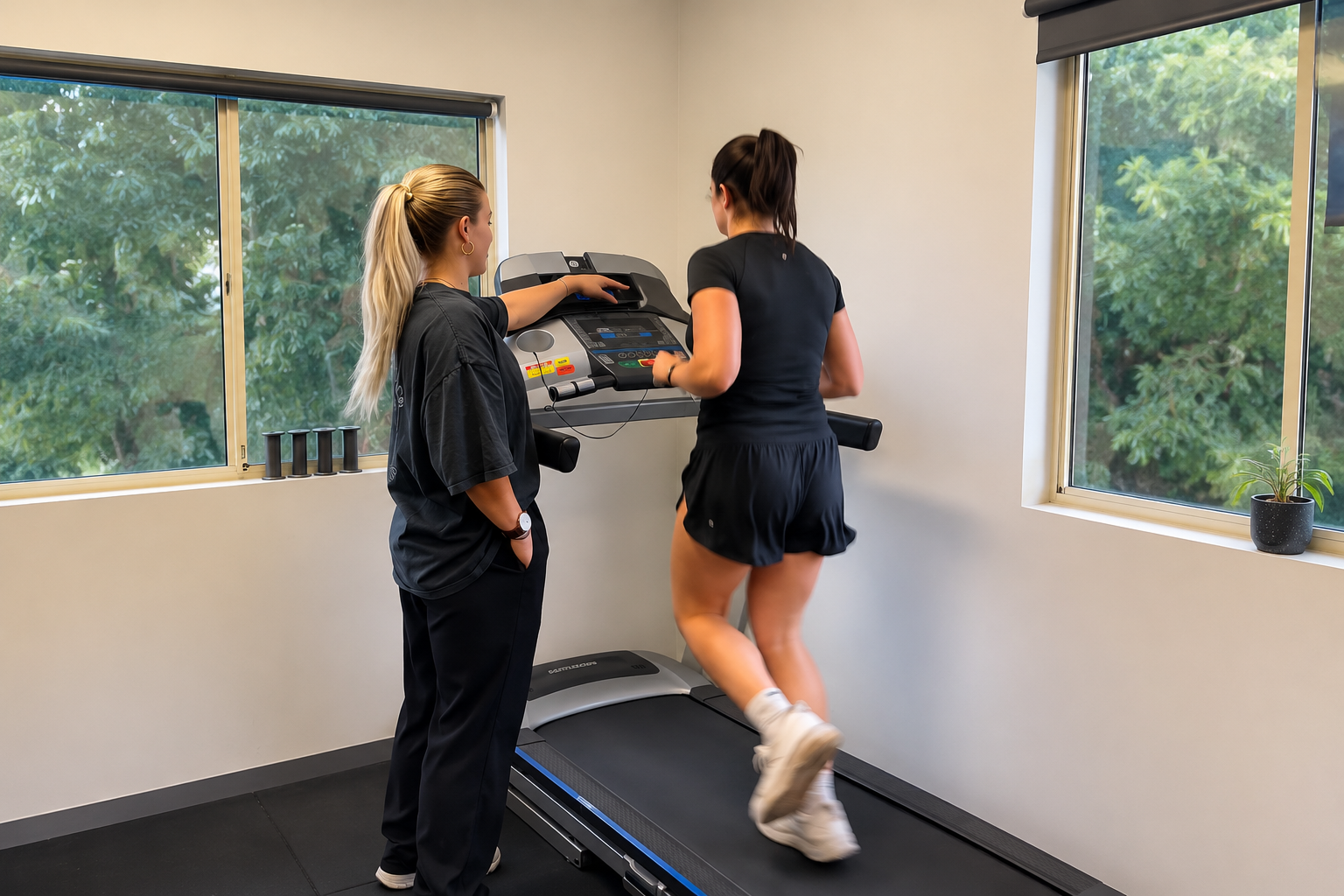
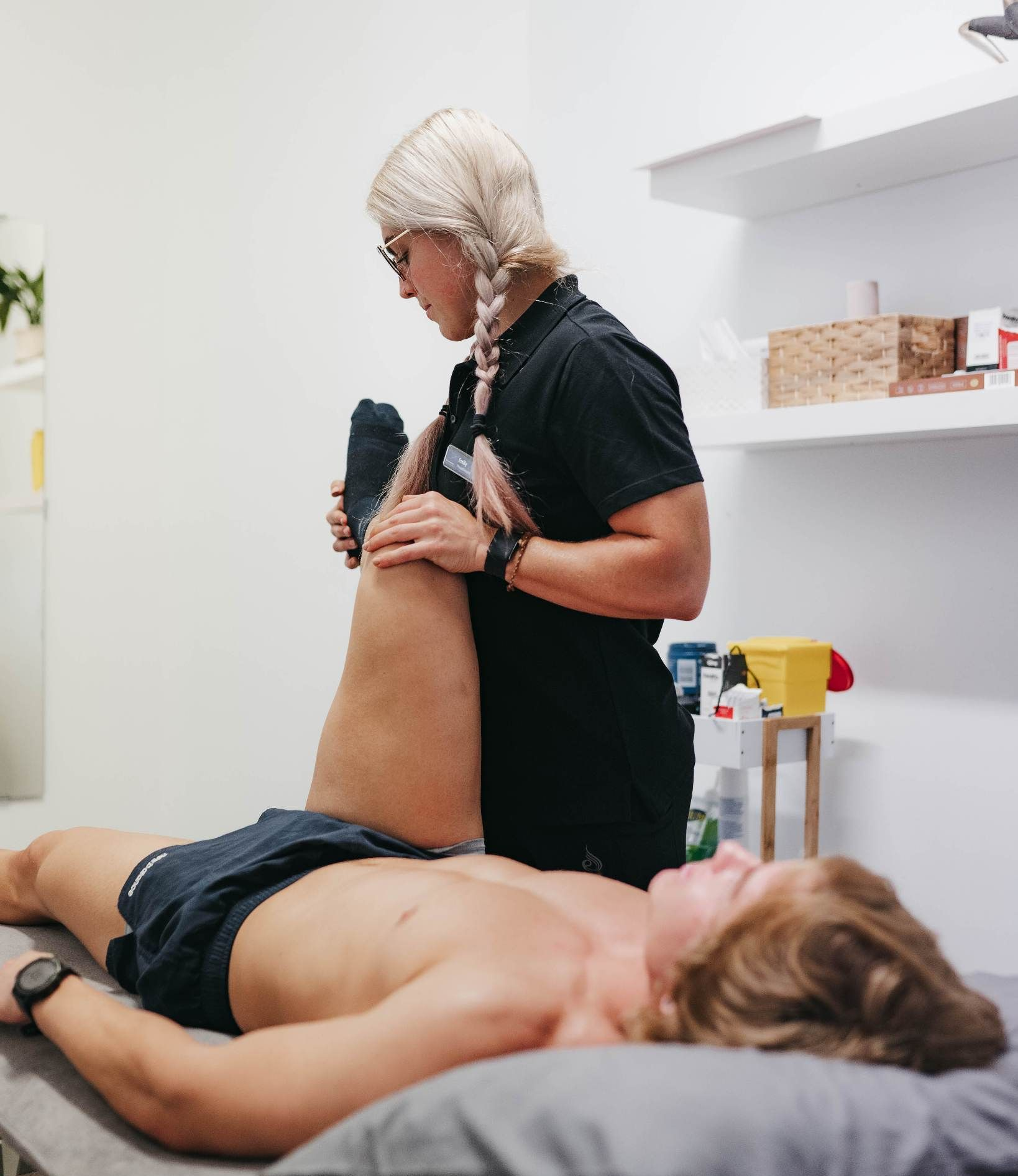
A supervised starting point, whether through an personal trainer, a physio-led class, or a well-structured gym program — removes that barrier and establishes good movement patterns from the beginning. Our
Move Well classes and
supervised rehab sessions at Active Balance are designed specifically for people who want to build strength safely, with clinical oversight and programming tailored to the individual.
If you've been told you have osteopenia or low bone density, or if you're postmenopausal and haven't started resistance training yet, this is one of the most impactful things you can do for your long-term health. The evidence is unambiguous — and the window to act is always now, not later.
Emily Clements — Physiotherapist (BPhysio, BPsych Hons), Active Balance Physio