What we mean by the 99%
The 99% is everything that has a large, well-replicated, dose-dependent effect on how your body heals, adapts, and performs. It's unsexy. It's not going to get many Instagram likes. But it's where almost all the results actually live.
Here's what it includes:
- Sleep. This is the single most powerful recovery tool available to you, it's free, and most people are chronically under-doing it. During deep sleep your body releases growth hormone, consolidates motor learning, regulates inflammatory markers, and repairs tissue. Shortchanging sleep doesn't just make you tired — it genuinely impairs healing, raises your pain sensitivity, suppresses immune function, and undermines every other effort you're making. Seven to nine hours isn't a luxury. It's non-negotiable.
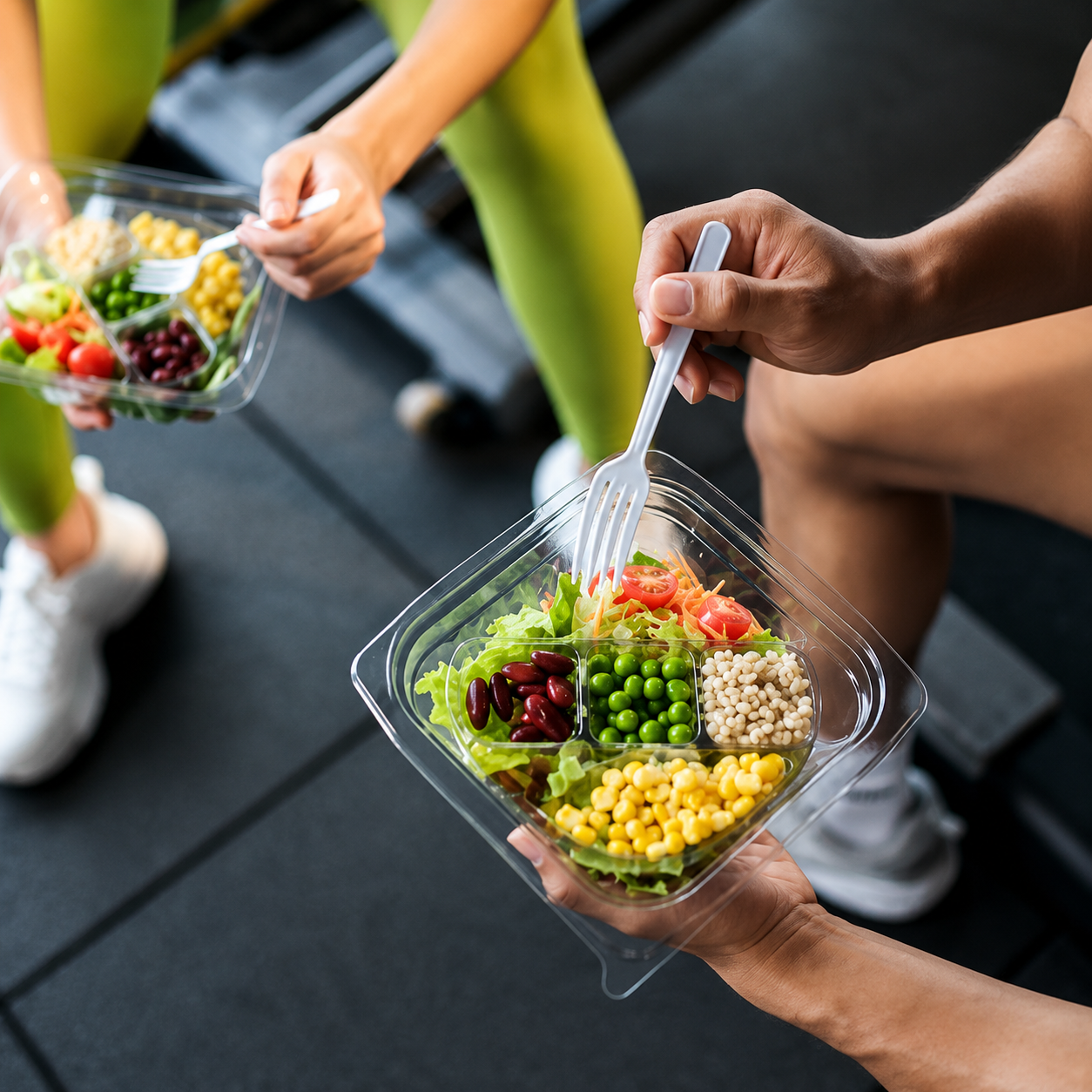
- Nutrition. You cannot build muscle, repair tendons, or recover from injury on inadequate protein. Full stop. The research is clear that most Australians — especially women over 40 and active older adults — are significantly under-eating protein relative to what their physiology actually needs. Beyond protein, adequate energy intake, micronutrient variety, and not being in a chronic caloric deficit are all prerequisites for tissue healing. If your body is under-fuelled, it will always prioritise survival over adaptation.
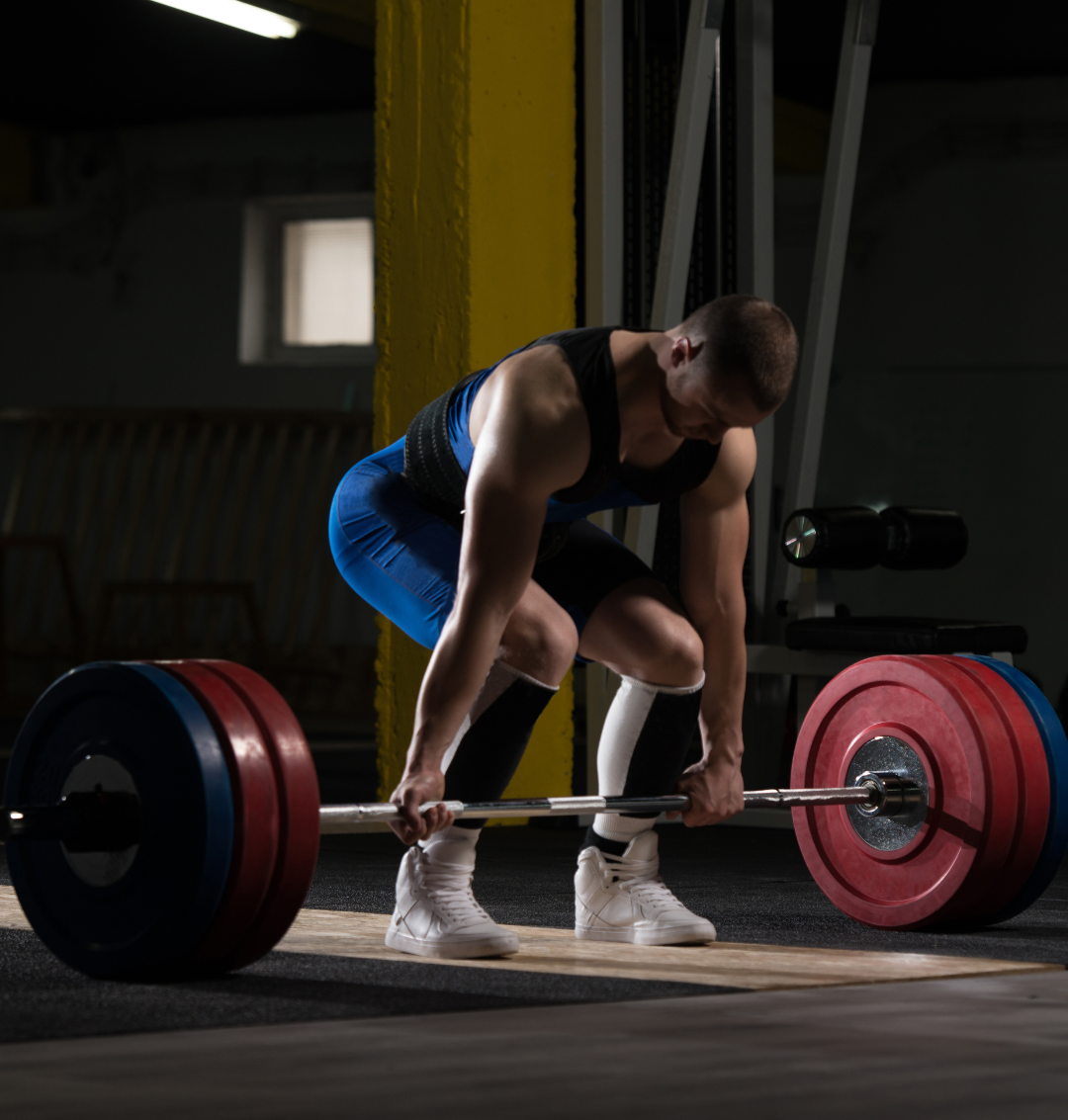
- Training load management. Most of the injuries we see aren't from a single traumatic event — they're from accumulated load that exceeded the tissue's capacity to absorb and recover from it. Managing load means progressing gradually, respecting rest days, and understanding that more is not always better. Your tendons adapt more slowly than your cardiovascular fitness, and that gap is where most overuse injuries are born.
- Consistency over intensity. Three moderate sessions per week done consistently for a year will outperform sporadic bursts of intense training every single time. The body adapts to repeated stimuli. It doesn't respond well to being thrashed after a week off.
- Stress management. Chronic psychological stress elevates cortisol, increases systemic inflammation, lowers pain thresholds, and impairs sleep quality. It's not a soft issue — it's a physiological one. If your nervous system is running in threat mode, your body's capacity to heal and adapt is genuinely compromised.
- Hydration. Simple, boring, effective. Connective tissue health, joint lubrication, cognitive function, and training performance are all measurably affected by even mild dehydration.
What we mean by the 1%
The 1% is everything at the margin. It includes ice baths,
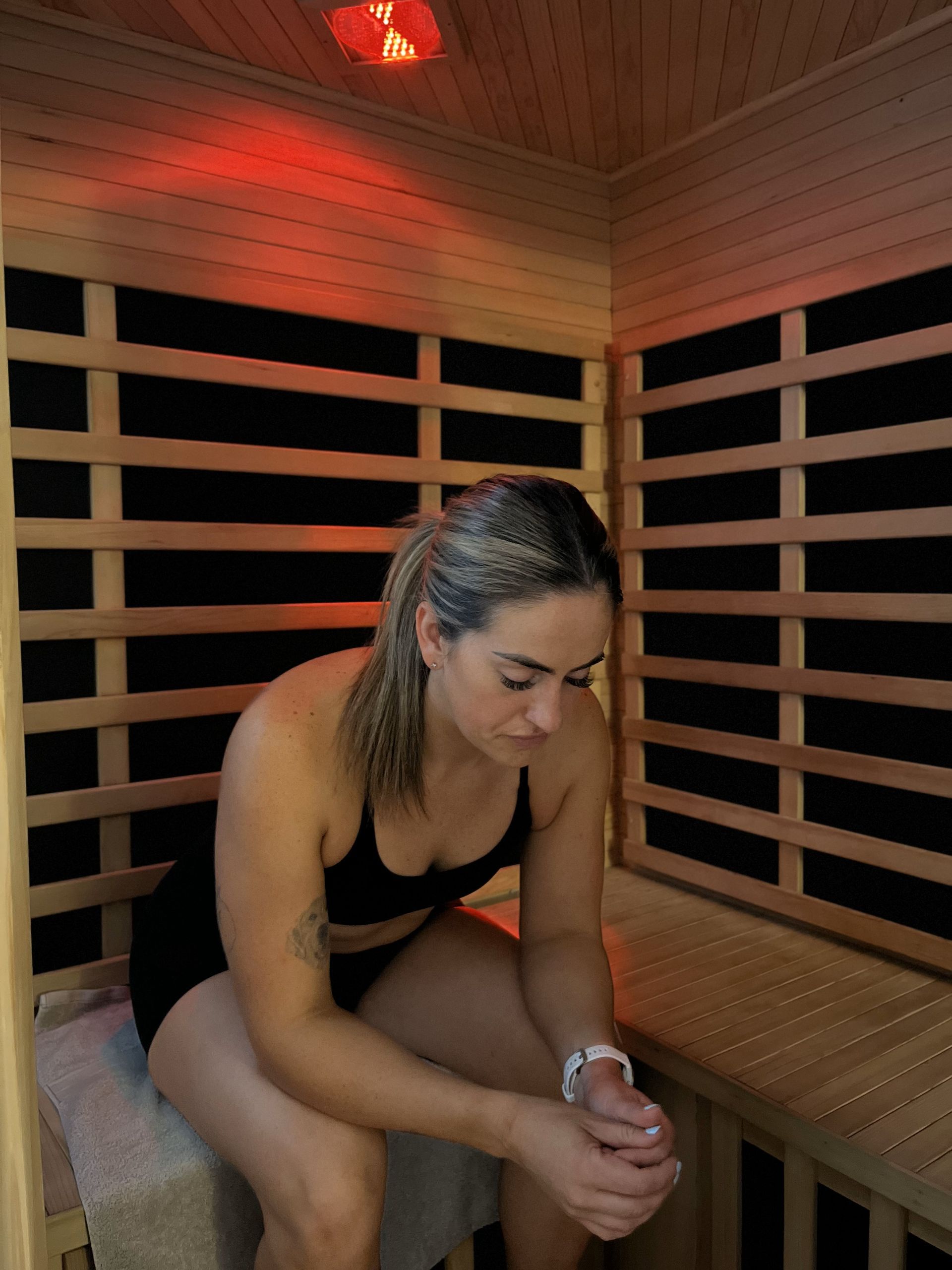
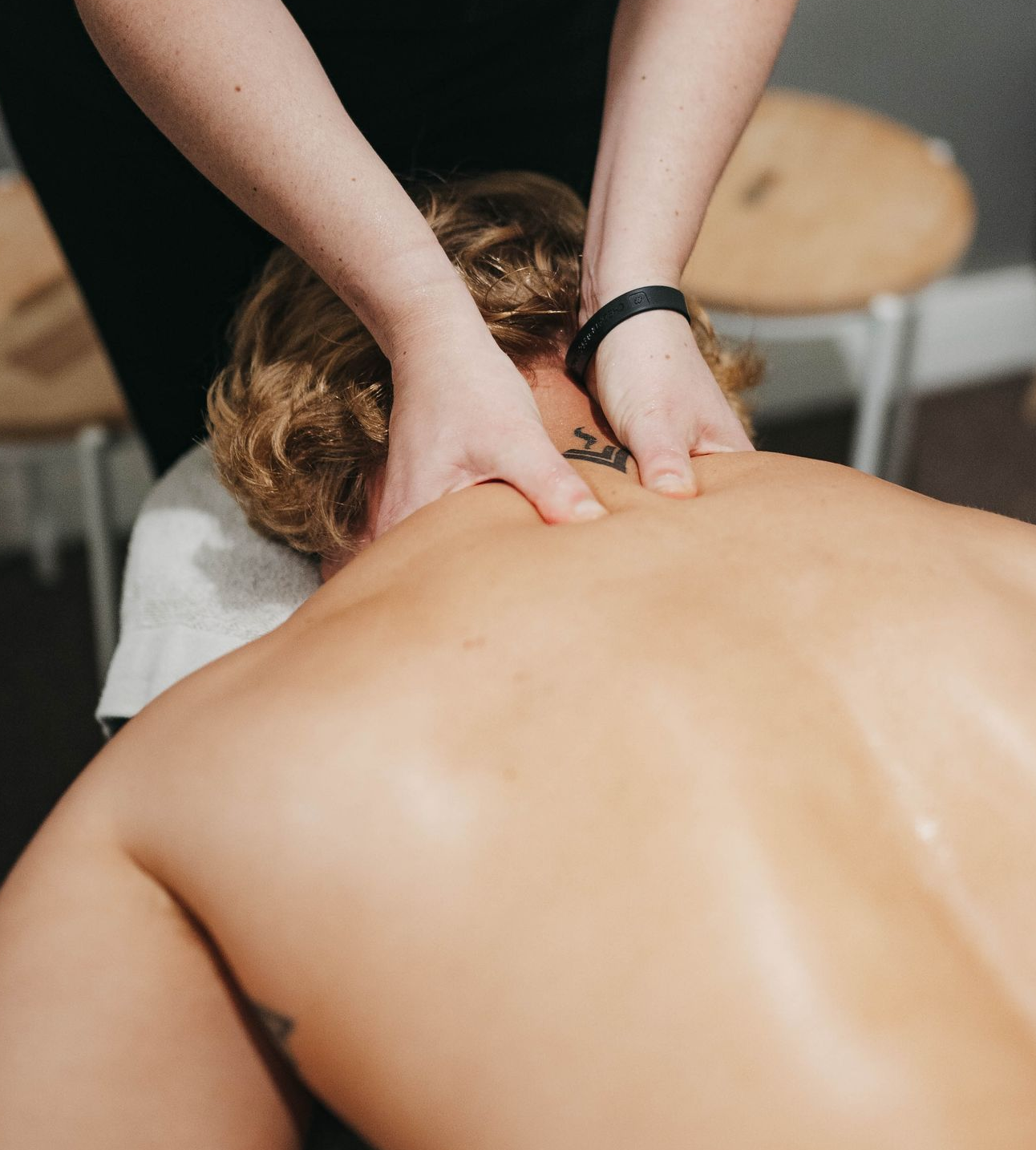
saunas, red light therapy, compression boots, cryo chambers, hyperbaric oxygen, most supplements (with a small number of evidence-based exceptions), and most passive treatments including (and we'll be honest here) a lot of what happens in physio clinics.
That doesn't mean these things are worthless. Some have decent supporting evidence in specific contexts. Cold water immersion, for instance, can reduce acute muscle soreness and has some merit for certain athletes in high-frequency training blocks. Saunas have emerging cardiovascular and longevity data. Creatine (one of the very few supplements with strong, consistent evidence) genuinely helps with muscle mass and bone density, particularly in older women.
But here's the critical point:
the 1% only works if the 99% is already solid.
An ice bath after a session where you slept five hours, skipped breakfast, and are two weeks into a training block you've been running into the ground is not going to save you. Red light therapy on a tendon that's being chronically overloaded and under-fuelled is not going to fix it. And the most skilled hands-on treatment in the world will not produce lasting results if the lifestyle factors driving your problem haven't changed.
Why we all chase the 1%
It's not irrational. The 1% is visible, purchasable, and feels like doing something. It's also heavily marketed. You can buy a cold plunge tub. You can book a cryo session. These are concrete actions that feel proactive.
The 99% requires sustained effort, discipline, and delayed gratification — which is a much harder sell, even to ourselves.
There's also a common pattern in rehab where people feel like they're "doing the work" because they're showing up to appointments, wearing a compression garment, or icing regularly. These things have their place. But if you leave a physio session and go home to eat poorly, stay up until midnight on your phone, and skip the exercises you were given — no amount of passive treatment is going to get you where you want to go.
The hierarchy in practice
Think of it like a house. The 99% is the foundation and the walls. The 1% is the paint. Paint on a crumbling foundation is just decoration.
When we assess a new client, we're always looking at the full picture. Yes, we want to understand your injury, the mechanics, the tissue, the load history. But we also want to know how you're sleeping, what you're eating, how stressed you are, and what your training has looked like. Because if the fundamentals are broken, that's where the biggest gains are hiding.
The good news? Most people have significant room to improve the basics. And the basics compound. Better sleep improves training quality, which improves body composition, which reduces load on joints, which reduces pain, which improves sleep. It's a virtuous cycle — once you get it moving.
So should you throw out the ice bath?
Not necessarily. If the fundamentals are locked in and you want to explore the margins, go for it. The best recovery protocol is one you'll actually do consistently, and if cold water immersion helps you feel good and stay consistent, that's real value.
But if you're currently spending money on supplements, passive therapies, or recovery gadgets while sleeping six hours a night and eating on the run — that's the first thing we'd redirect.
The biggest return on investment in your health is almost always in the boring stuff. Do that first. Do it well. Then, if you want to tinker at the edges, you'll actually be able to tell if it's working.