The common scenario: Your kid has been complaining about sore knees or heels for a few weeks. They're limping off the footy oval, or wincing when they walk downstairs, or telling you their heel kills after soccer training. You're not sure whether to push them through it, rest them completely, pull them out of sport, or head straight to the physio.
If your child is somewhere between eight and sixteen and active in sport, there's a reasonable chance what you're dealing with is either Osgood-Schlatter disease or Sever's disease, two of the most common conditions we see in young athletes, and two of the most misunderstood. Neither is actually a disease in the scary sense of the word, both are very manageable, and the good news is that with the right approach most kids get through it without missing more sport than necessary.
Here's what's actually going on, and what to do about it.
Firstly, what are these conditions?
Both Osgood-Schlatter and
Sever's fall into a category called apophyseal injuries. That's a technical term for irritation at a growth plate, a specific area of developing bone where a tendon or ligament attaches. During childhood and adolescence, these growth plates are softer and more vulnerable than the surrounding bone, which makes them susceptible to irritation when they're loaded repeatedly during sport.
Think of it this way: your child's bones are actively growing, the tendons attached to those bones are being pulled on constantly during running, jumping, and kicking, and sometimes the load exceeds what that developing tissue can comfortably handle. The result is localised pain and tenderness at the growth plate site, not because anything is seriously wrong, but because the area is being asked to do more than it's ready for right now.
It's not a structural failure. It's a load management problem. And that matters because it means the solution is about managing the load, not necessarily stopping sport altogether.
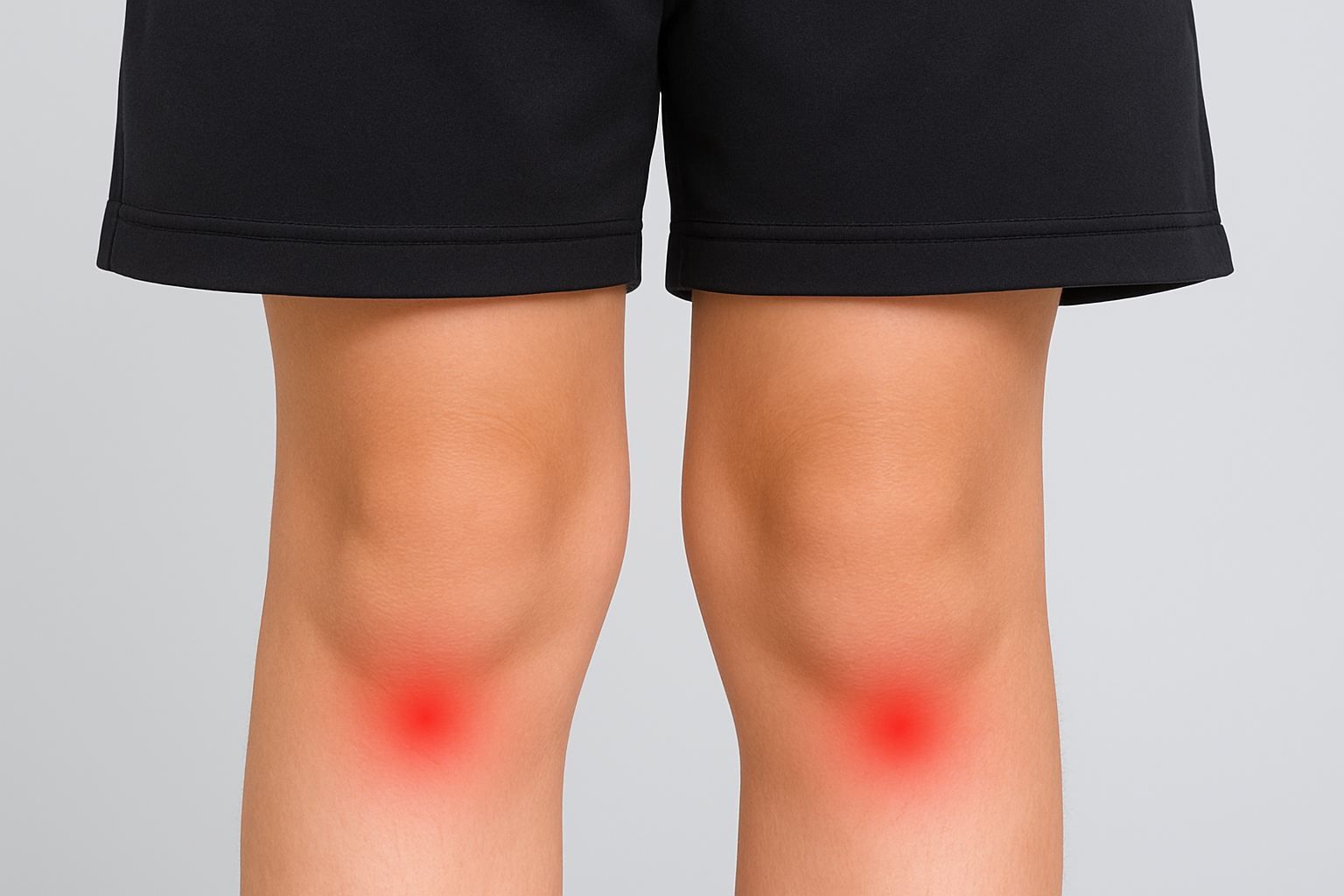
Osgood-Schlatter: the sore bump below the knee
Why do some kids get it and others don't?
A few factors tend to contribute. Rapid growth spurts are the biggest one, when bones lengthen quickly, the muscles and tendons attached to them can temporarily become relatively tight, increasing the pull on the growth plate.
A sudden increase in training load is another common trigger. The start of a new season, making a rep team, or adding an extra training session can push a growth plate that was coping adequately over the edge. This is particularly common when kids are playing multiple sports simultaneously with overlapping seasons.
Tighter calf and quad muscles increase the tension through the relevant tendons and growth plates, which is why flexibility tends to be part of the management picture. And there's likely a component of individual variation in growth plate sensitivity that we can't fully control for.
Should they rest completely?
This is the question we get asked most often, and the honest answer is: usually not completely, but load does need to come down.
Complete rest rarely helps and is almost never necessary. In fact, extended rest followed by a sudden return to full training is a reliable way to reproduce the problem. What does help is reducing the load to a level the growth plate can tolerate, maintaining fitness and conditioning in ways that don't aggravate symptoms, and gradually building back up as the irritation settles.
In practice this might mean dropping from five training sessions a week to two or three, avoiding the specific activities that aggravate symptoms most such as heavy plyometrics, hard sprinting, hill running, while continuing lower-impact activity, and modifying rather than stopping sport participation where possible.
A useful rule of thumb: pain during activity that stays below a four out of ten and returns to baseline within 24 hours is generally okay to train through with modified load. Pain above that level, or pain that's still present the following day, is a sign to back off further.
What actually helps?
Load management is the most important thing, as described above. Getting the training volume to a level the growth plate can tolerate gives the irritation a chance to settle.
Stretching the relevant muscle groups consistently can make a genuine difference. For Osgood-Schlatter, regular quad and hip flexor stretching can reduce the tension through the patella tendon. For Sever's, calf stretching, both with a straight knee targeting the gastrocnemius, and with a bent knee targeting the soleus, is important and often underestimated.
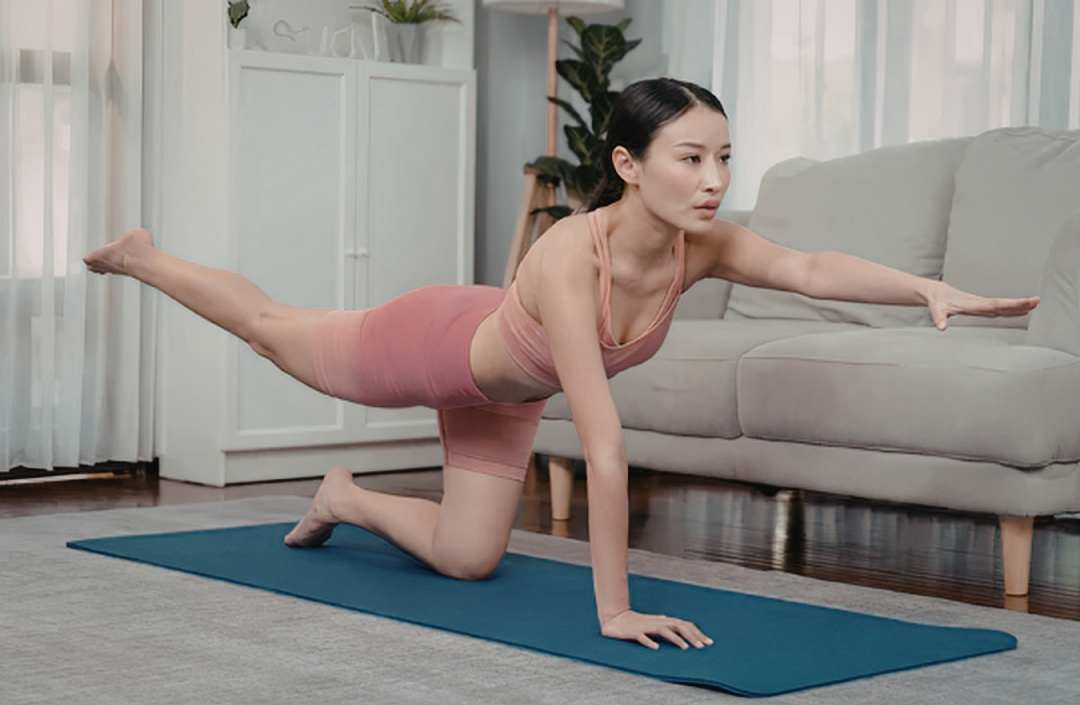
Strengthening the surrounding muscles helps the growth plate handle load more efficiently. For knee pain, hip and glute strengthening reduces demand on the quads. For heel pain, progressive calf strengthening, done carefully and within pain limits, helps build the capacity of the Achilles attachment over time.
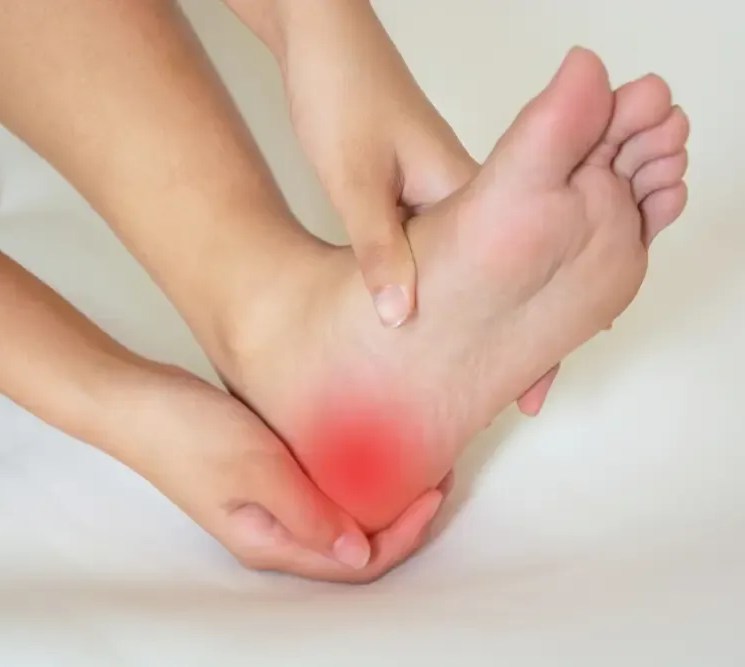
Heel raises inside shoes can offload the Achilles attachment significantly in Sever's and are worth trying as a short-term measure. Proper footwear matters too, worn-out shoes with poor heel cushioning are a common aggravating factor.
Ice after activity can help manage localised soreness in the short term, though it's a symptomatic measure rather than a fix.
When to see a physio
If your child has been limping for more than a week or two, if they're in pain at rest as well as during activity, if the pain is getting progressively worse despite reduced load, or if you're genuinely not sure whether what you're dealing with is Osgood-Schlatter or Sever's, it's worth coming in.
A physio assessment can confirm the diagnosis, rule out anything that needs further investigation (there are other causes of knee and heel pain in kids that present similarly and are managed differently), and give you a specific plan rather than a generic "rest and see" approach.
We also see parents who've been told by well-meaning coaches or other parents that their child just has to put up with it until they stop growing. That's not quite right. You can't always eliminate the symptoms entirely while a growth plate is actively developing, but you can almost always reduce them meaningfully and keep kids participating in the sport they love while it runs its course.
A note for the coaches reading this
Apophyseal injuries in young athletes are a load management issue at their core, which means coaches play a significant role in prevention and management. Being aware of which kids are in growth spurts, monitoring training loads across a full week rather than just your sessions in isolation, and being willing to modify rather than exclude when a child is symptomatic can make a real difference.
We're always happy to communicate directly with coaches and sporting clubs when we're managing a young athlete, to make sure everyone is on the same page about what they can and can't do.