Where Is Your Pain?
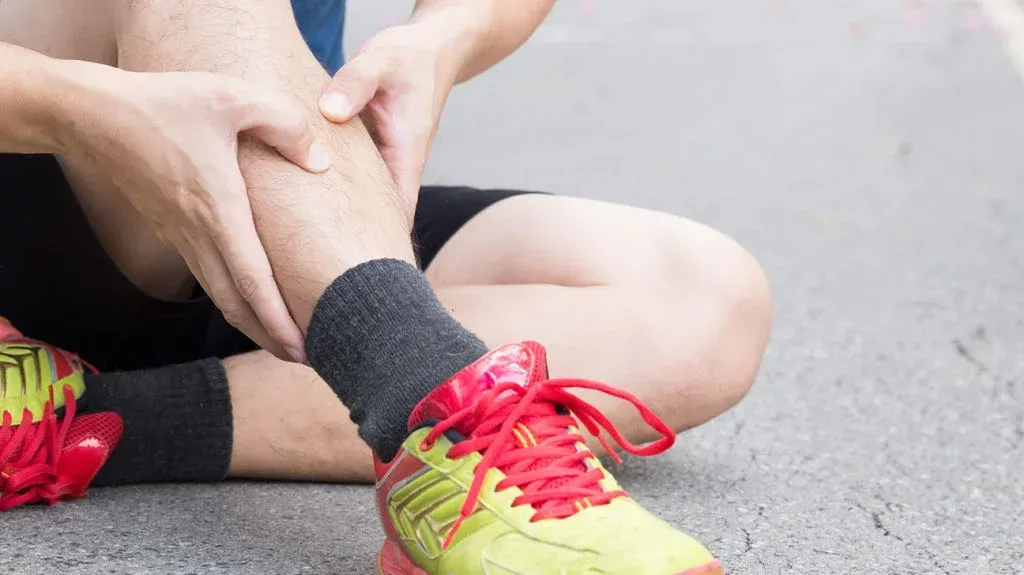
The location of your shin pain can give important clues about what's actually going on:
- Pain on the inside of the shin (medial shin pain) This is the most common presentation and is usually Medial Tibial Stress Syndrome. It feels like a dull ache or soreness along the inner edge of the shin bone, caused by irritation where muscles attach to the tibia. Common in runners and anyone who has recently increased their training load.
- Pain on the front of the shin (anterior shin pain) This can come from several different causes and is worth getting assessed carefully:
- Tibialis anterior overload or tendinopathy — pain along the outer front of the shin, often worse when lifting the foot during running or walking uphill
- Stress reaction or stress fracture — sharp, pinpoint pain on the front of the shin bone that worsens with impact and may linger at rest
- Chronic Exertional Compartment Syndrome (CECS) — cramping, tightness or pressure at the front of the shin during exercise that eases with rest, sometimes accompanied by numbness or weakness in the foot
In short: inside shin pain is usually muscle and tissue overload. Front shin pain can involve muscle, bone or compartment-related issues and warrants careful assessment.
The Different Types of Shin Splints
Because shin splints is a general term rather than a specific diagnosis, it can include several distinct conditions:
- Medial Tibial Stress Syndrome (MTSS) The most common type. Pain along the inner shin bone caused by repetitive stress on the tibia and surrounding tissues. Responds well to load management and rehabilitation.
- Stress reactions and stress fractures When overload continues without adequate recovery, the shin bone itself can develop tiny cracks. Pain is usually sharper, more localised, and worsens progressively with activity. Stress fractures require a longer, more carefully managed recovery.
- Chronic Exertional Compartment Syndrome (CECS) A less common condition where muscle swelling during exercise is restricted by the surrounding tissue, causing cramping, pain or tightness that consistently eases with rest.
- Other causes Tibialis anterior tendinopathy, nerve irritation and vascular issues can also present as shin pain. This is why a proper assessment matters — the right diagnosis drives the right treatment.
What Causes Shin Splints?
The common thread across almost all shin pain presentations is doing too much too soon. Specifically:
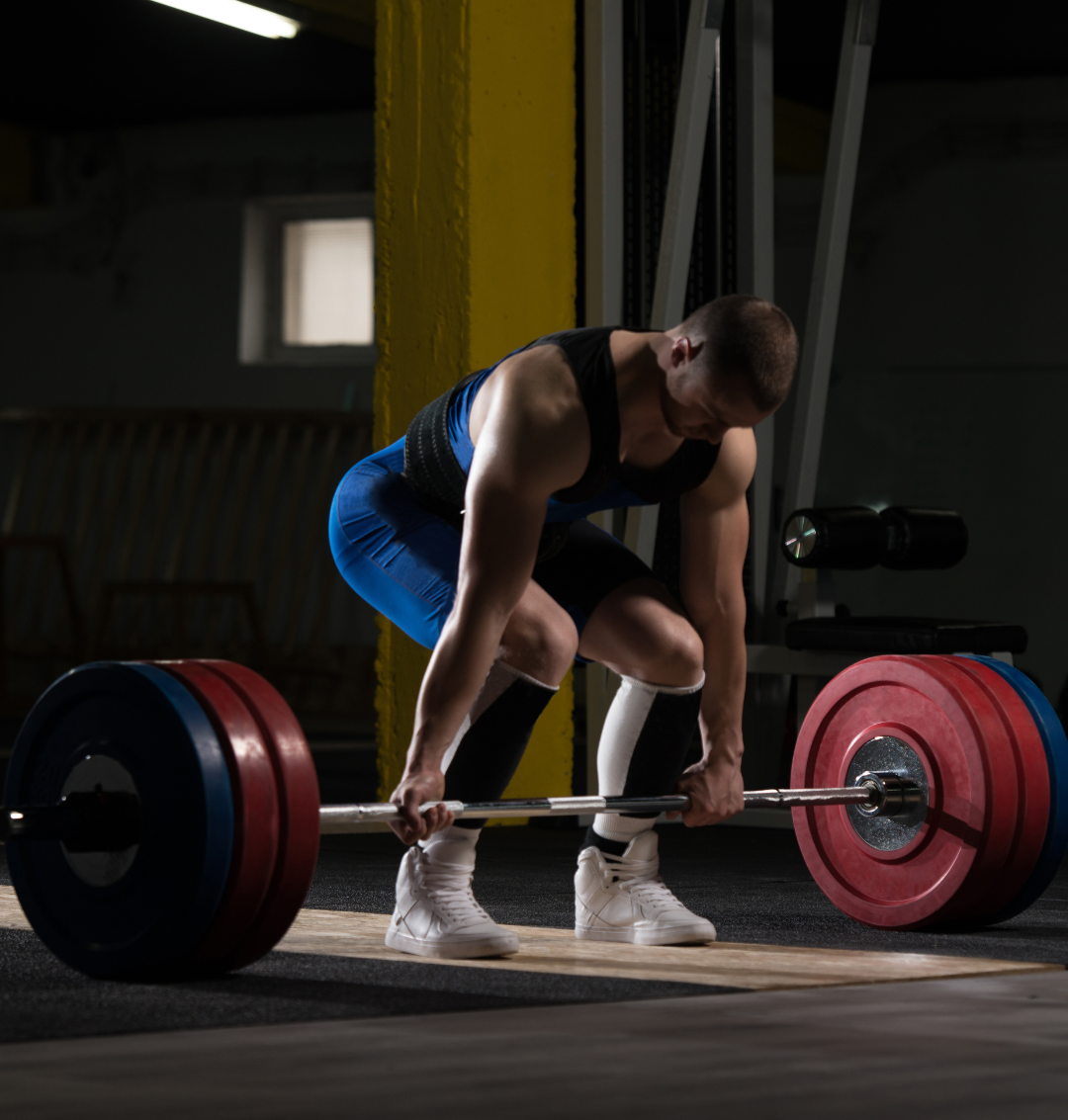
- A sudden increase in training volume, intensity or duration
- Returning to training after a break and jumping back to previous levels too quickly
- Starting a new high-impact activity like running, jumping or dance
- Changes in terrain — moving from flat to hilly, soft to hard, or road to trail
- Inadequate or worn out footwear
- Training on hard surfaces like concrete without adequate variation
- Insufficient recovery between sessions
Biomechanical and physical factors also play a significant role:
- Weakness in the calf, glute and hip muscles that support the lower limb during impact
- Poor hip and knee stability affecting how load is distributed through the leg
- Tight calf muscles or restricted ankle mobility
- Running gait issues — overstriding, excessive foot pronation, or low cadence all increase tibial stress
- Flat feet or high arches affecting load distribution
When to Worry About a Stress Fracture
Most shin splints will settle with proper management, but some presentations warrant prompt assessment. Seek professional advice if you notice:
- Sharp, pinpoint pain at one specific spot on the shin
- Pain that worsens the more you exercise rather than easing as you warm up
- Pain that lingers at rest or at night
- Swelling or tenderness directly over the bone
Stress fractures require a longer period of rest, medical imaging and a carefully guided return to sport. The sooner they're identified the better.
How We Treat Shin Splints at Active Balance
Because shin pain can come from several different sources, treatment starts with a thorough assessment to identify what's actually driving your symptoms. From there, your management plan may include:
- Load management — the foundation of shin splint recovery. We'll help you find the right training level to allow healing while keeping you as active as possible. Complete rest is rarely necessary — swapping running for cycling or swimming maintains fitness while reducing tibial stress.
- Strengthening exercises — targeting the calf, tibialis posterior, glutes and hip stabilisers to build the capacity your lower limb needs to handle training load.
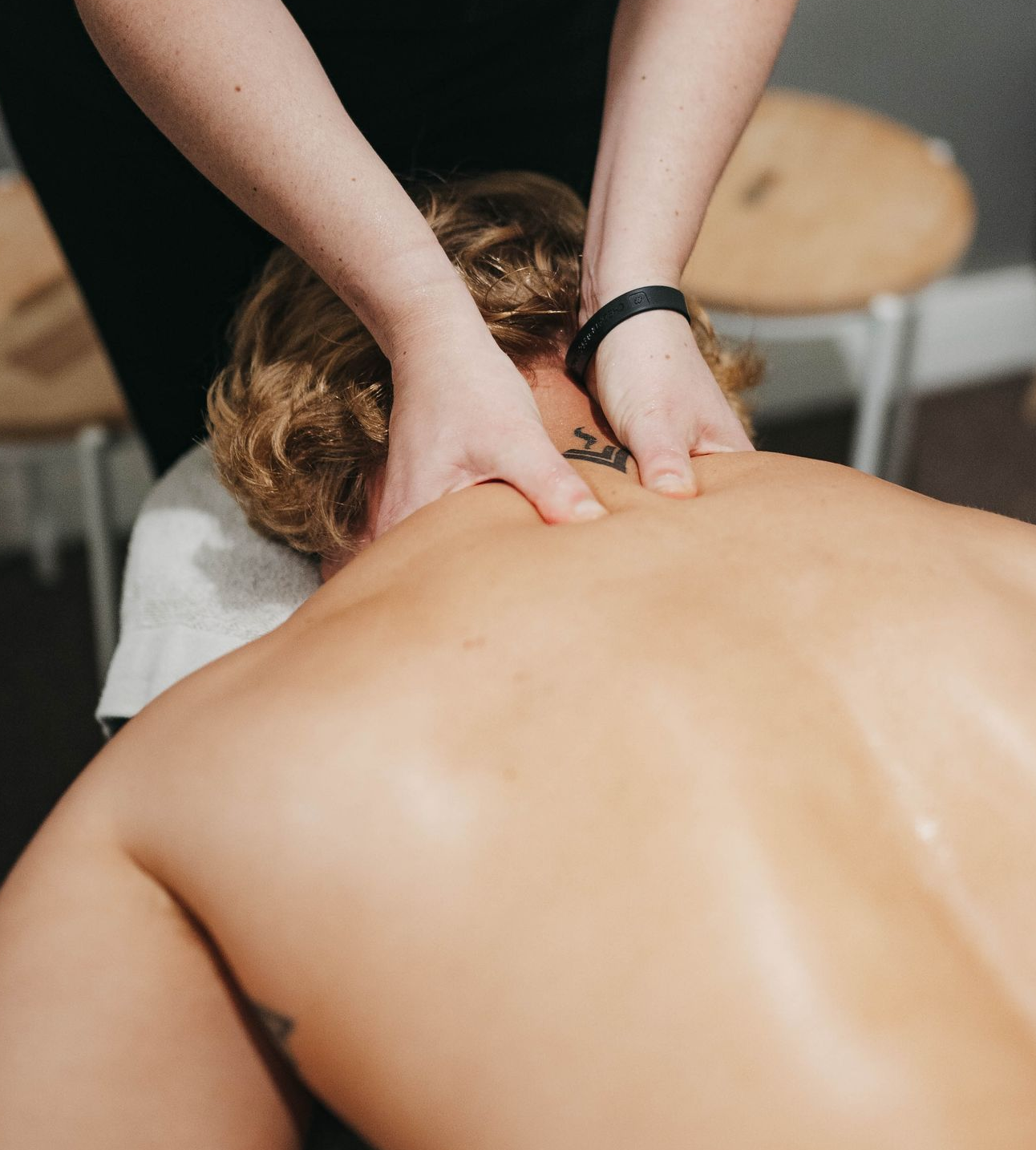
- Manual therapy — massage, dry needling, cupping and joint mobilisation to ease muscle tightness, improve blood flow and reduce pain.
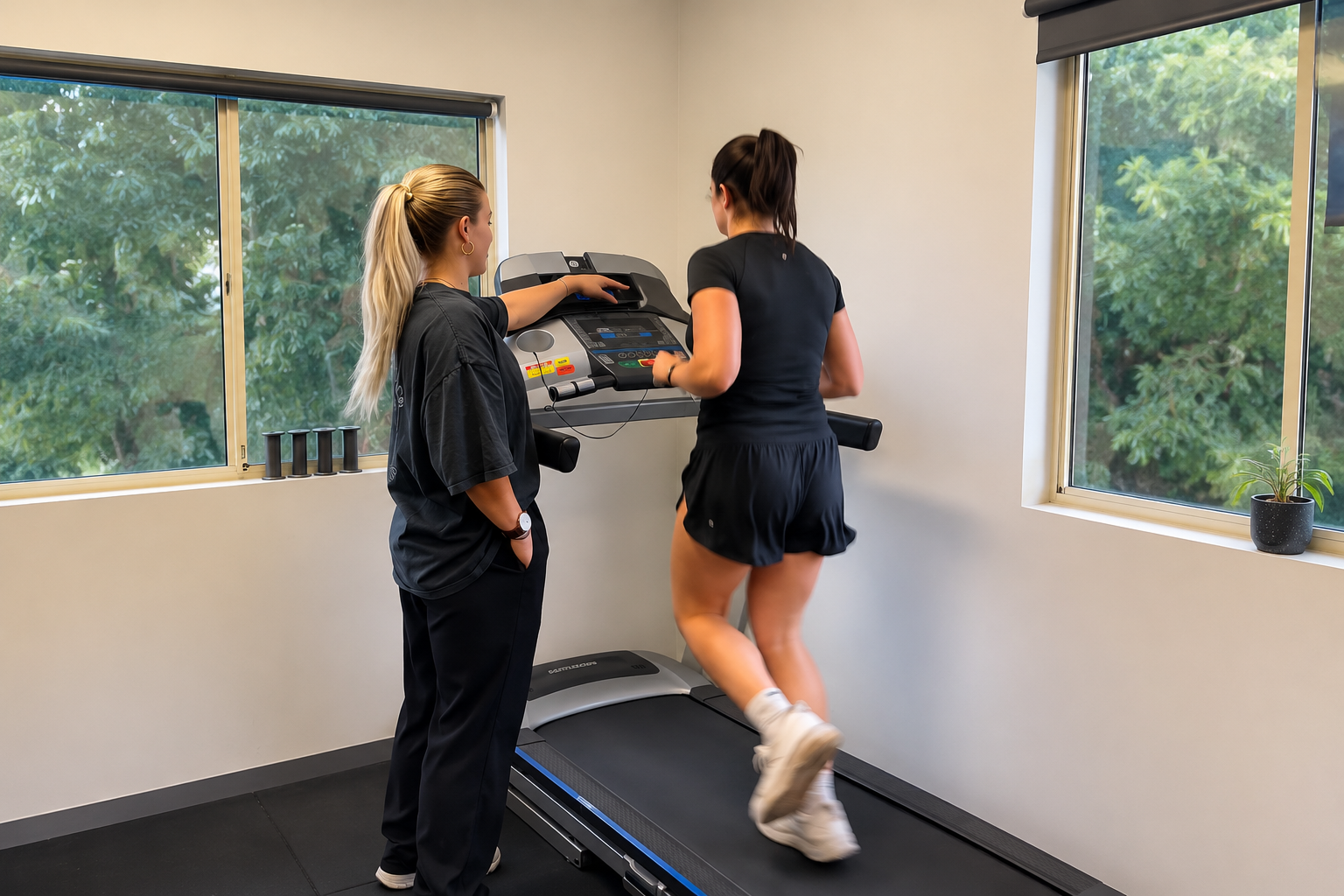
- Gait retraining — if your running mechanics are contributing to the problem, small adjustments to technique can significantly reduce tibial stress.
- Footwear and surface advice — making sure your shoes are appropriate and that your training environment isn't adding unnecessary load. Where possible, mixing in softer surfaces like grass or trail reduces repetitive impact stress.
- Taping — for symptomatic relief and support during the return to activity phase.
Getting Back to Full Training
Our goal isn't just to get you out of pain — it's to get you back to the training you love and give you the tools to stay there. Most people who go through a proper shin splint rehabilitation program come back stronger and more resilient than before.
If you're dealing with shin pain or want to get on top of it before it becomes a bigger problem,
book online or call us on (08) 7123 4148. We'd love to help.
Written by Emily Clements, Senior Physiotherapist at Active Balance Physio & Wellness, St Marys Adelaide. Emily holds a Bachelor of Physiotherapy and has a special interest in shoulder rehabilitation, strength and conditioning, and helping active people manage and overcome injury.