Muscle Tightness — What Does It Actually Mean?

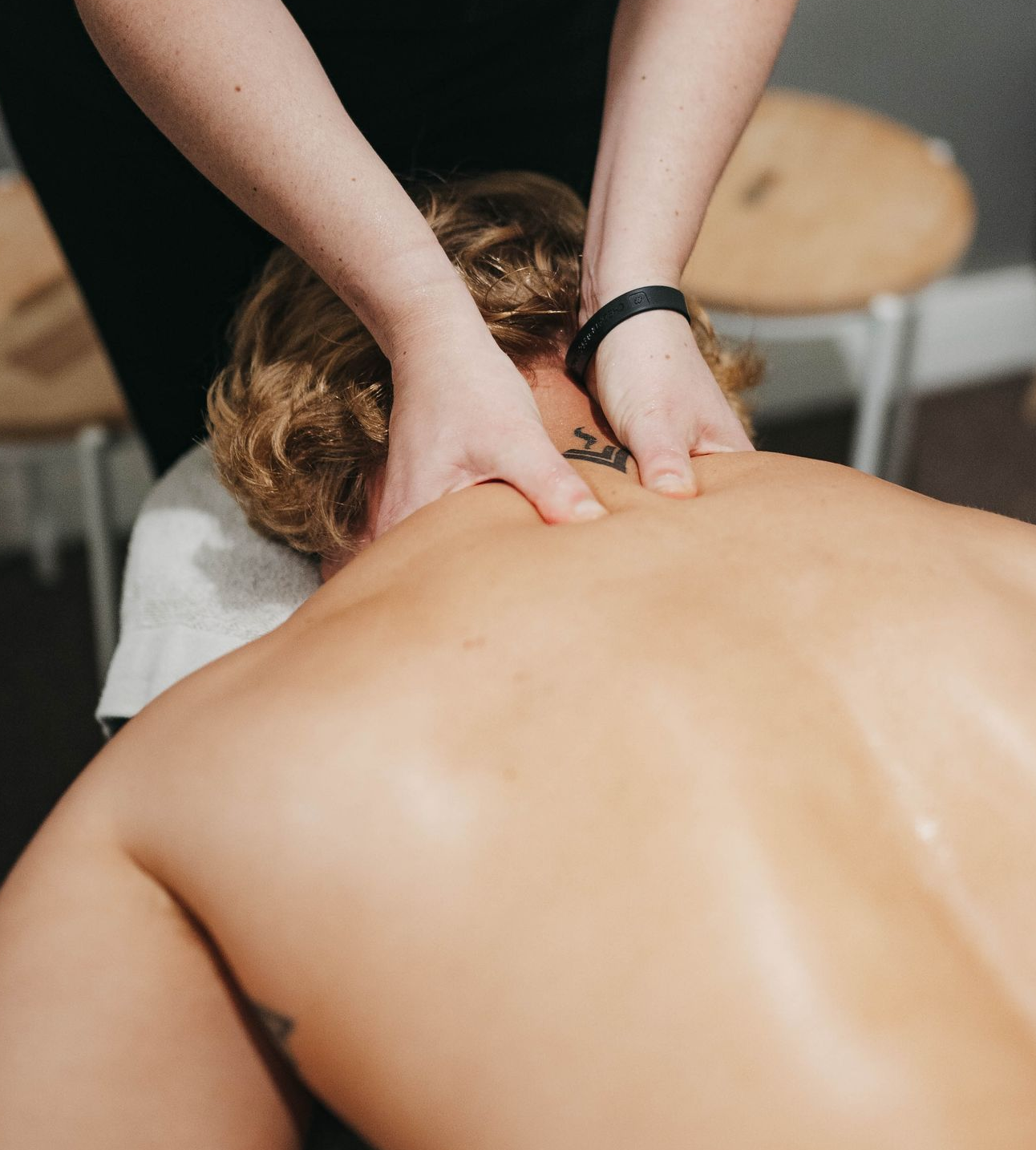
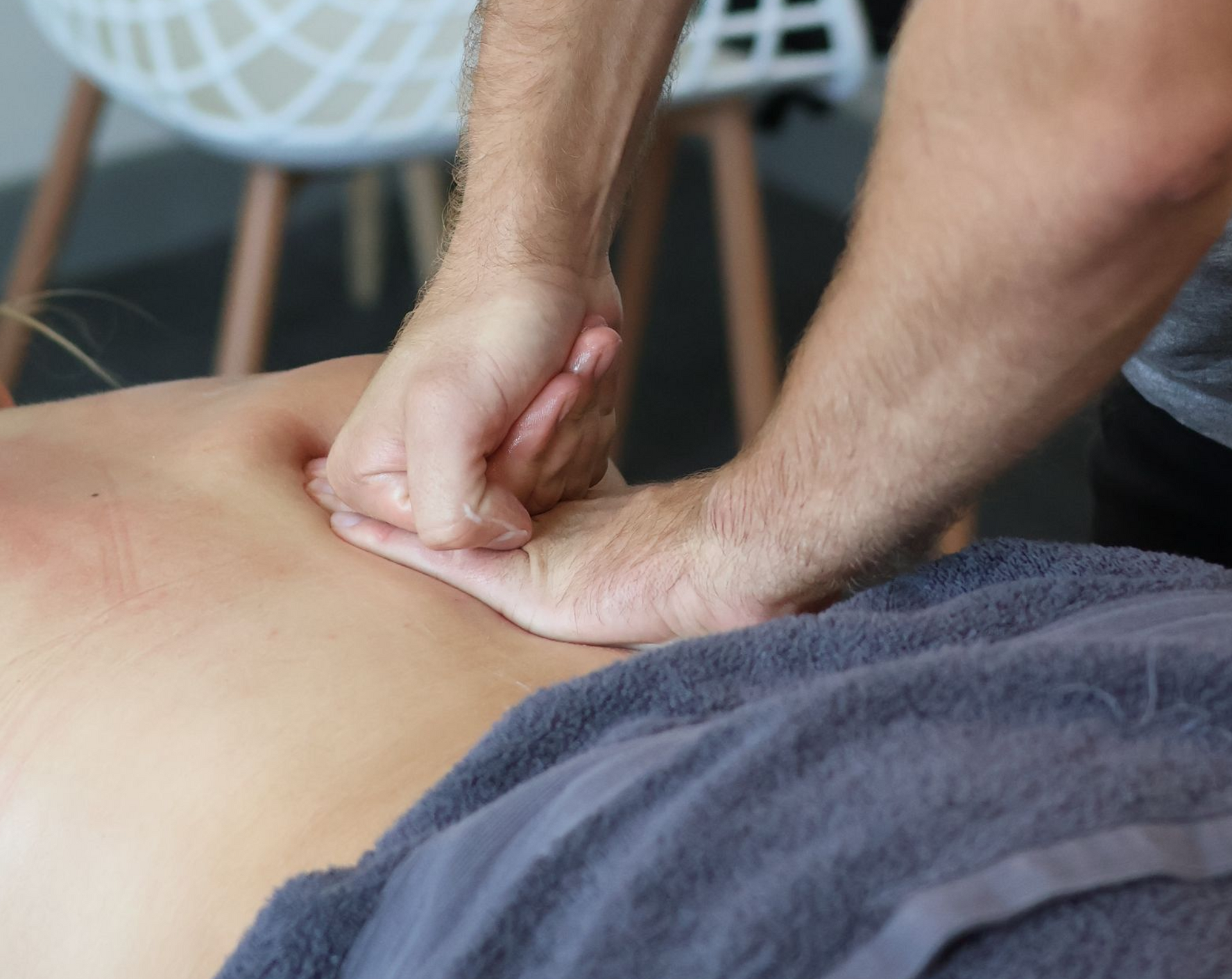
myotherapist performing deep tissue massage

You've tried stretching. You've had a massage. But that feeling of tightness just keeps coming back. Sound familiar?

Muscle tightness is one of the most common complaints we hear at Active Balance — and one of the most misunderstood. The word "tight" gets used to describe a range of very different sensations, and the reason it keeps coming back for so many people is that stretching alone rarely addresses the actual cause.


So what is muscle tightness really, and what should you actually do about it?


What Do We Mean by "Tight"?

When people describe muscle tightness they're usually referring to one or more of the following:

• A sense of discomfort or dull ache in a muscle

• Reduced range of motion or restricted movement

• That characteristic pulling sensation when you stretch

The important thing to understand is that these sensations can come from very different underlying causes — and the treatment that works for one cause won't necessarily work for another. This is why generic stretching advice often falls short.


The Two Main Types of Muscle Tightness


1. Reduced flexibility This is what most people think of when they think of a tight muscle — a muscle that has genuinely shortened and lost range of motion over time. This is often related to posture and movement habits, and stretching can genuinely help here when done consistently and correctly.


2. Hypertonicity A hypertonic muscle has excessive resting tension — it's in a state of higher than normal activity even when you're not using it. People often describe this as a muscle that feels "wound up" or never fully relaxes. You might also hear the terms spasm, contracture, or cramp used to describe variations of this.

Hypertonicity can be global — affecting an entire muscle or muscle group — or it can present as a myofascial trigger point, which is a concentrated area of tension within the muscle that can also refer pain to other areas of the body.

The key point is that a hypertonic muscle doesn't necessarily need more stretching — and in some cases, stretching can actually aggravate it.


Why Does Muscle Tightness Happen?


There are several common causes we see in clinic, and often more than one is contributing at the same time:

  • Adaptive shortening — not moving enough When you hold the same position for extended periods — sitting at a desk, looking at a screen, driving — your muscles gradually adapt to that shortened position. Reduced movement also means reduced blood flow to the tissues, which contributes to that sense of tightness and discomfort. This is one of the most common causes we see, particularly in desk workers.
  • Muscle weakness This one surprises a lot of people. A weak muscle that is being overloaded will often respond by increasing its resting tension — essentially bracing itself. What feels like tightness is actually the muscle struggling under load. It's also worth noting that the muscle you feel as tight isn't always the weak one. A classic example is the hamstrings — they frequently feel tight when the real problem is weakness in the glutes or hip flexors above them. Stretching the hamstrings in this situation provides temporary relief at best.
  • Psychological factors and general wellbeing Sleep, stress, nutrition and general mental load all influence how your nervous system processes sensation — including the sensation of tightness. People going through periods of high stress or poor sleep often notice their muscles feel significantly tighter, even without any change in their physical activity. This isn't imagined — it reflects real changes in tissue sensitisation driven by the nervous system.


Why Stretching Alone Often Isn't Enough


Stretching is a useful tool — but it's only addressing one piece of a more complex picture. If your tightness is driven by weakness, postural habits, nervous system sensitisation, or a combination of all three, stretching will provide temporary relief without addressing the root cause.

This is why the same areas of tightness keep coming back despite regular stretching — the underlying driver hasn't changed.


How We Can Help


At Active Balance, when you present with muscle tightness we don't just treat the symptom — we work to understand why it's there in the first place.

That starts with a thorough assessment covering your movement patterns, strength, posture, lifestyle and history. From there we develop an individualised treatment plan that might include:

  • Manual therapy — hands-on treatment to address hypertonicity and restore movement
  • Dry needling or cupping — effective for releasing stubborn trigger points
  • Exercise prescription — targeted strengthening to address the underlying weakness driving the tension
  • Progressive loading — gradually building the capacity of the affected muscles so they're no longer overwhelmed
  • Education and habit changes — helping you understand what's driving your tightness and what to change in your day-to-day life


Because not all tight muscles are the same — and they don't all need the same solution.


If you've been dealing with persistent muscle tightness that stretching just isn't fixing, book an appointment online or call us on (08) 7123 4148. Our team would love to help you get to the bottom of it.

Book Appointment Online

Written by Tom McCarthy, Myotherapist at Active Balance Physio & Wellness, St Marys Adelaide. Tom holds a Bachelor of Science in Sport Rehabilitation and Athletic Therapy and has a special interest in lower back pain and sports injury rehabilitation.

woman experiencing back pain
May 17, 2026
Many women experience worsening back pain during menopause. Our physio team explains why — and what you can do about it. Active Balance, Adelaide.
women exercising
May 17, 2026
What does the research actually say about exercise during menopause? Our physio team explains what works, what doesn't and how to get the best results.
steroid injection
May 16, 2026
Considering a cortisone injection for a persistent injury? Our physio team explains the benefits, risks and how injections fit into a rehabilitation plan.
May 1, 2026
Don’t Hibernate This Winter: Why Keeping Moving Matters More Than Ever
alt=
March 20, 2026
Resting your injury but not improving? Rest treats the symptom, not the cause. Our physio explains why and what to do instead. Active Balance, Adelaide.
Creatine supplements
March 3, 2026
Creatine isn't just for bodybuilders. Our physio team explains the evidence for creatine in athletes, women, menopause and healthy ageing. Active Balance, Adelaide.
February 25, 2026
You may have heard (probably from Instagram physios 🙈) that manual therapy is useless and shouldn’t be used in physiotherapy. We respectfully disagree... Is it a magic fix? No. Does it break up scar tissue, “realign” your spine, or release fascia permanently? Also no. But can it reduce pain and help you move better so rehab is more comfortable and effective? Absolutely. What Is Manual Therapy? Manual therapy refers to skilled, hands-on techniques performed by a physiotherapist (or other manual therapists such as massage therapists, osteopaths, chiros and myotherapists). These may include: Joint mobilisations Soft tissue techniques Trigger point therapy Muscle energy techniques Joint mobilisation These techniques are generally chosen based on your presentation and goals. They are not random, they are applied with a clear purpose: usually to reduce pain, improve movement, and make rehab & recovery more achievable. What Manual Therapy Doesn’t Do There are some persistent myths around hands-on treatment. Current research tells us that manual therapy does not: Physically break up adhesions Permanently “release” fascia Push joints back into place Structurally remodel tissue in a short session Your connective tissue is strong and resilient. It is not being reshaped in 30 minutes of treatment. So if it’s not mechanically changing tissue, what is happening? It Influences the Nervous System Pain does not always mean damage. It is often a protective response created by your nervous system. When an area becomes irritated or overloaded, the nervous system may increase sensitivity. This can lead to: Muscle guarding Stiffness Reduced range of motion Increased pain with movement Manual therapy can provide sensory input to the body. Research suggests that this input can help change how the nervous system processes pain signals. In simple terms, it can: Reduce pain sensitivity Decrease muscle tension Improve short-term movement tolerance Help you feel more comfortable moving Rather than “fixing” injured or tight tissues, manual therapy often works by calming a sensitised nervous system. When the system is calmer, movement becomes easier — and that’s where progress begins. It Can Improve Circulation and Tissue Health Hands-on therapy can also increase local blood flow. Improved circulation may support: Oxygen delivery Nutrient exchange Removal of metabolic waste Overall tissue health This doesn’t mean instant healing, but healthy circulation supports the body’s natural recovery processes. Creating a Window for Rehabilitation This is where manual therapy becomes particularly useful, and where we see a huge benefit. If pain levels are high, exercise can feel: Too uncomfortable Too threatening Hard to perform properly If we can reduce your pain with some hands on treatment (even temporarily) that reduction can create a window of opportunity. During that window, we can: Introduce strengthening & rehab movements Improve joint mobility Retrain movement patterns Gradually increase load & tolerance Build confidence Long-term recovery for most musculoskeletal conditions relies on progressive strengthening and improved load tolerance. Manual therapy doesn’t replace exercise. It helps make exercise possible. What Does the Evidence Say? Clinical guidelines for conditions such as low back pain, neck pain, and some shoulder conditions suggest manual therapy can be helpful, especially when combined with exercise. Research generally shows: Manual therapy can reduce pain in the short term It can improve short-term range of motion Outcomes are better when combined with active rehabilitation On its own, manual therapy tends to produce temporary effects. But when paired with strengthening, mobility work, and education, results are typically more meaningful and longer lasting. This reflects modern physiotherapy practice: use hands-on treatment strategically, not exclusively. What About “Maintenance” Treatments? Work, sport & life in general can place repeated demands on the body. If you do things like: Work in a physically repetitive job Sit at a desk for long hours Play regular sport Lift and carry children Train intensely You are regularly placing load on your tissues, and even strong, healthy tissues can become temporarily overloaded. For some people, regular hands on treatments can: Settle flare-ups early Reduce accumulated muscle tension Improve movement quality Help manage symptom build-up Importantly, this should not replace strength, recovery strategies, and load management. It works best as part of a broader plan that includes: Appropriate exercise Good training progression Rest and recovery Self-management strategies The goal of “maintenance” care is not dependency. It’s about supporting a body that is regularly exposed to high or repetitive demands. Think of it less as “fixing something broken” and more as helping your system stay adaptable and resilient. A Balanced Approach Physiotherapy is not “hands-on versus exercise.” It shouldn’t be an either/or decision. At our clinic, manual therapy is: A tool Used when clinically appropriate More often than not, combined with strengthening and mobility work Generally phased out as independence improves Our goal is never to make you reliant on treatment. Our goal is to: Reduce pain Improve movement Build strength Increase confidence Help you manage your condition independently The Bottom Line Manual therapy does not: Permanently change tissue structure Realign your body Act as a stand-alone cure But it can: Reduce pain Calm a sensitive nervous system Improve short-term mobility Support circulation Create a window for effective rehabilitation When combined with tailored, progressive exercise, it can be a very useful part of your recovery. If you’re unsure whether manual therapy is appropriate for your condition, our physios can assess you and design a plan that supports both short-term comfort and long-term goals.
AI running apps
January 28, 2026
Can AI running apps replace your physio or running coach? Our physio team explores the risks of overreliance on training apps and how to use them safely in Adelaide.
More Posts