It's not bad posture, it's staying still
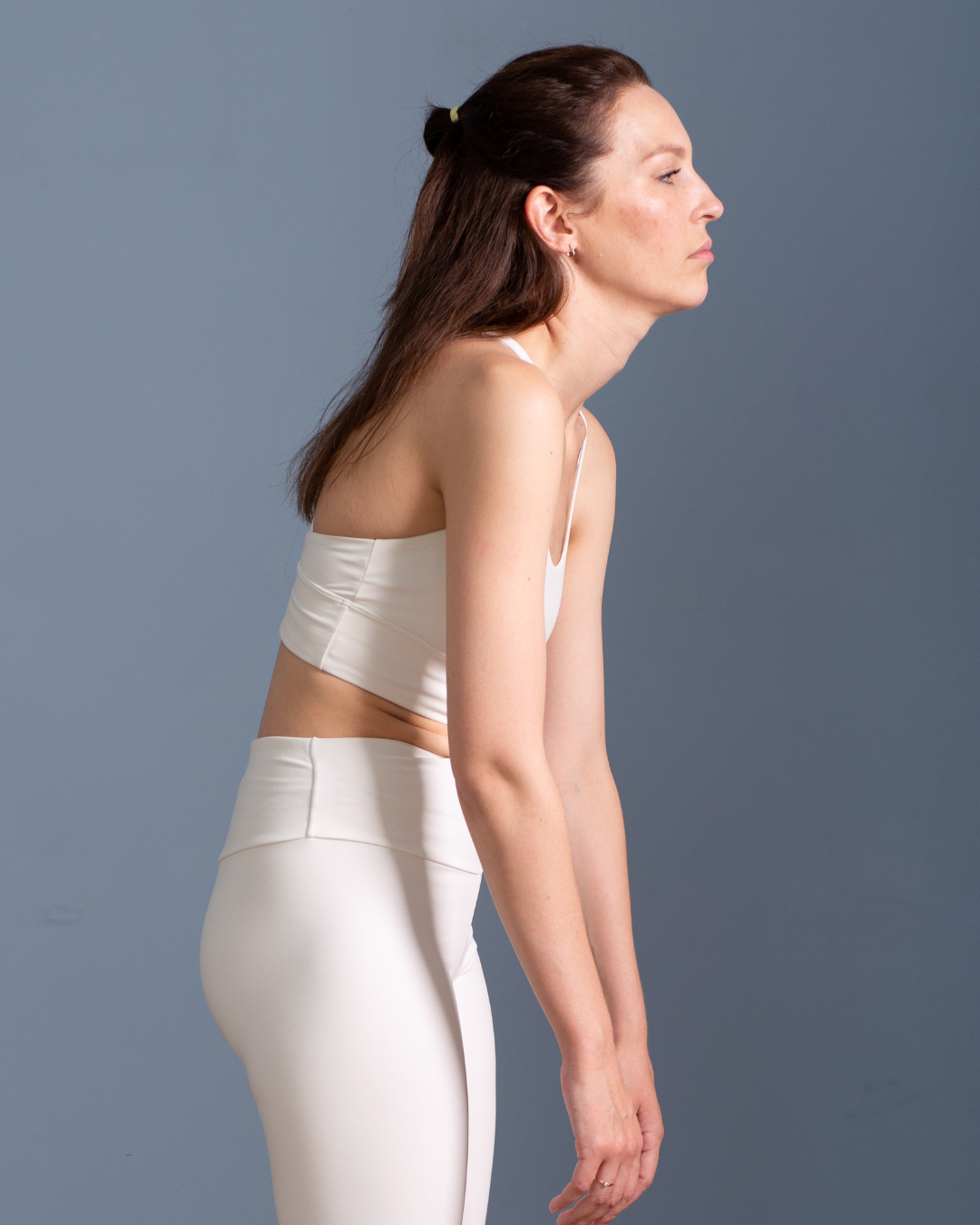
People often blame their posture for aches after a long drive or flight. In reality, there's no single perfect posture. The problem is holding any position for too long.
When you sit in one position for hours, the tissues around your spine, hips and neck are under constant low-level load. Over time they get irritable and stiff, which is why you feel creaky when you finally stand up. Physios often say your best posture is your next posture.
So the aim on long drives and flights is to keep changing position, not to sit perfectly:
- Make small adjustments to your seat every 30 minutes or so. Change the backrest angle slightly, move the lumbar support, or shift your weight.
- On the highway, cruise control lets you move your feet and change how your hips and legs are positioned.
- Rest your hands lower on the steering wheel (around 4 and 8 o'clock) so your shoulders and upper traps aren't working for hours.
- Set your rear-view mirror while sitting tall at the start of the trip. If you can't see properly through it later, you've slumped. That's a nudge to reset, not a telling-off.
Flights: it's about sleeping upright
Most neck pain after flights comes from sleeping sitting up, when your head drops forward or to the side and stays there for an hour.
- Most people wear a travel pillow with the gap at the front, but it often works better with the thick part under your chin, especially if your head tends to drop forward.
- If you're in a window seat, leaning into the wall with a rolled jumper for support is often better than letting your head fall sideways.
- Calf raises and ankle pumps in your seat help circulation on long-haul flights. Your calf muscles act as a pump for blood returning from your legs.
The overhead locker problem
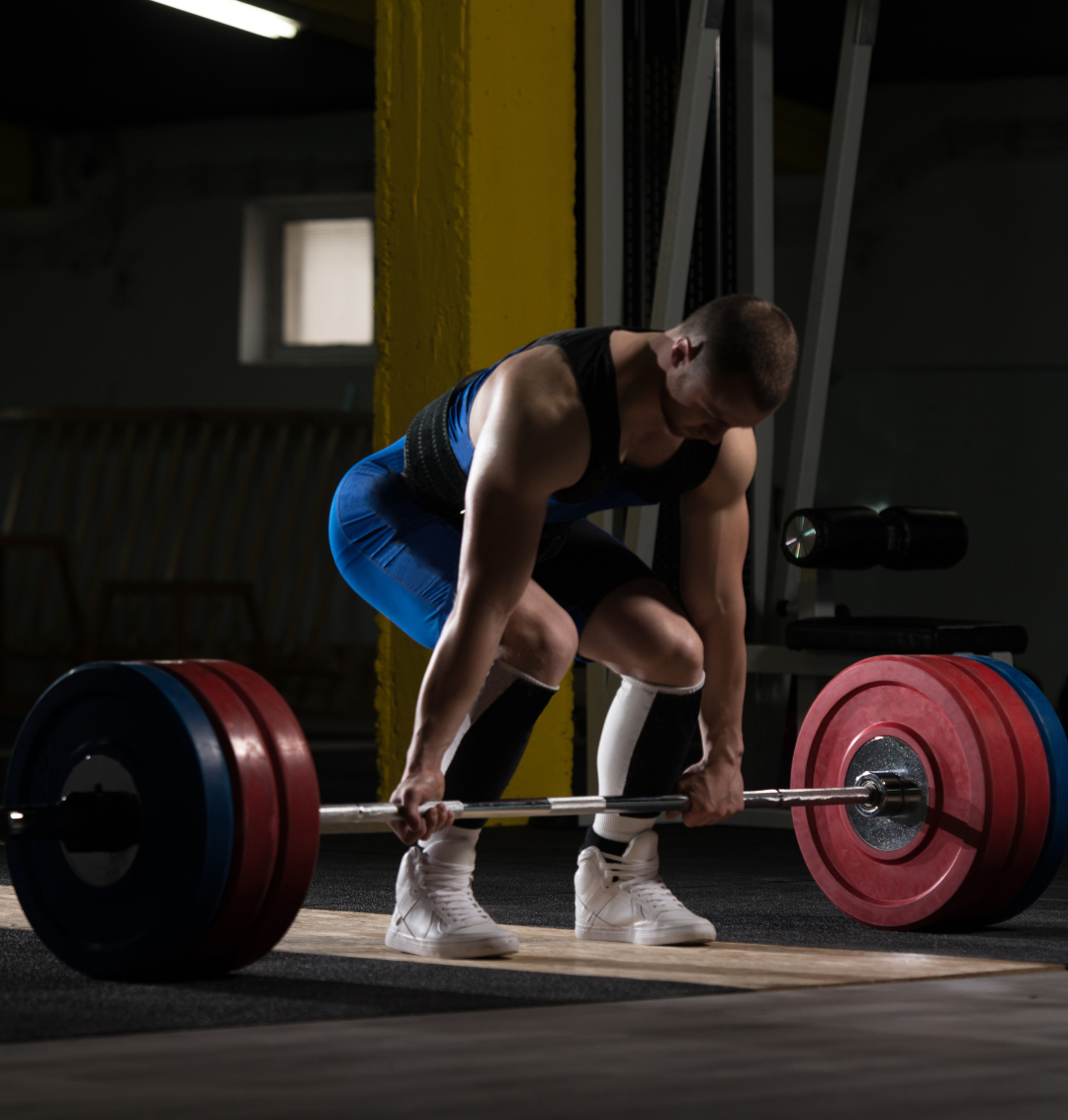
Holiday back injuries often happen in less obvious moments. One of the riskiest is getting a heavy bag into the overhead locker: arms overhead, holding a load away from your body, often twisting, and usually rushing because there's a queue behind you.
Lift the bag onto the seat or armrest first, then up into the locker in a second movement. Better still, keep heavier items in your checked luggage.
Strange beds: work with the mattress you've got
A soft or saggy holiday mattress lets your hips sink, which can leave your lower back cranky by morning. A few small tweaks help:
- If you sleep on your side, put a pillow between your knees to keep your hips and lower back better aligned.
- Pillow height matters most for side sleepers. You want your head level with your spine, which usually means a firmer or thicker pillow than you'd expect. Fold the hotel pillow in half if you need to.
- Morning stiffness usually settles once you move. A gentle walk works better than lying there trying to stretch it out.
The holiday load spike
This is the one most people don't see coming. You spend most of the year at a desk or in a fairly steady routine, then go on holiday and suddenly you're walking 15,000 steps a day, swimming, kayaking, playing backyard cricket, or carrying kids on your shoulders around a theme park.
Your body adapts well to load it's used to. Sudden spikes are where the problems happen. Achilles and calf issues, knee pain, shoulder flare-ups and plantar fasciitis are all common after a big jump in activity over the break.
You don't need to avoid doing things. Just build up instead of going from zero to everything on day one. If you know you've got an active trip planned, a few weeks of walking or strength work beforehand makes a real difference.
Sleep, stress and pain
Travel tends to come with early starts, late nights, time zone changes and family dynamics. Poor sleep and stress don't just make you tired. They can also make your nervous system more sensitive to pain, so a niggle you'd barely notice at home can feel a lot worse on holiday. Protecting your sleep where you can, and keeping some gentle movement in your days, helps more than people expect.
Before you go (or when you get back)
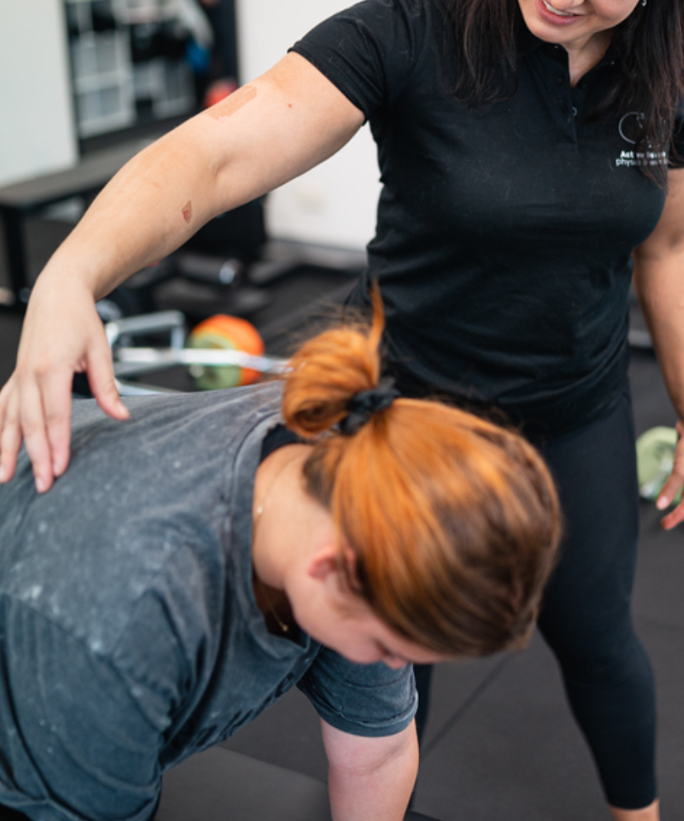
If you've got a niggle that tends to flare up when you travel, or a big active trip coming up, it's worth having a chat with one of our physios before you leave. If you've come home stiff and sore, physio, myotherapy or remedial massage can help get you moving comfortably again.