1. Identifying Problems Before They Become Injuries
One of the most valuable things a physiotherapist can do is assess your movement, strength, balance and flexibility to identify vulnerabilities before they cause problems.
Most injuries don't come from nowhere. They develop from a combination of factors — muscle weakness, movement asymmetries, restricted range of motion, poor load management — that accumulate over time until the system fails. By the time pain appears, the underlying problem has often been building for weeks or months.
A movement screen and strength assessment can identify these contributing factors while they're still silent and manageable. For someone returning to sport after time off, ramping up training for an event, or with a history of recurring injuries, this kind of proactive assessment is genuinely valuable.
Think of it less like visiting a mechanic after your car breaks down and more like getting a service before a long road trip.
2. Optimising Sports Performance
Physiotherapy isn't just about keeping you healthy — it's about helping you perform better. Regular check-ins with a physio who knows your body and your baseline measures mean that small changes in movement quality, strength or flexibility are noticed and addressed before they affect your training.
For athletes this might involve:
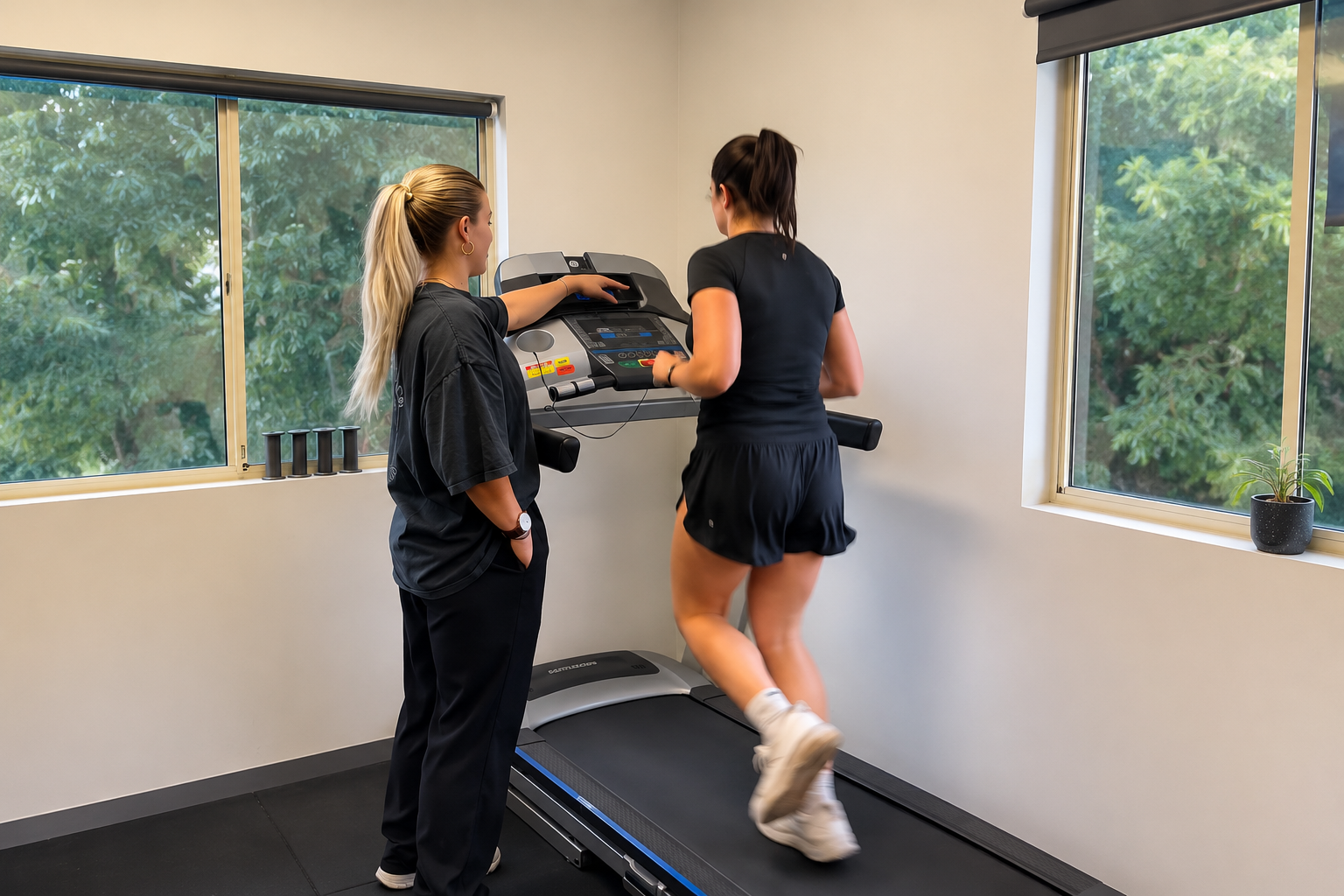
- Identifying strength imbalances between limbs that affect running efficiency or injury risk
- Addressing mobility restrictions that limit technique in the gym or on the field
- Managing accumulated tightness and fatigue during heavy training blocks so it doesn't compound into injury
- Designing prehabilitation programs for known vulnerable areas based on your sport's specific demands
You don't need to be a professional athlete for this to be relevant. Weekend runners, gym goers, recreational team sport players and anyone who takes their physical activity seriously can benefit from having a physio in their corner rather than just calling on one when something goes wrong.
3. Workplace and Lifestyle Ergonomics
Pain doesn't only come from sport and exercise. For many people the biggest physical stressor in their life is their job — whether that's sitting at a desk for eight hours, performing repetitive manual tasks, standing on hard floors or driving long distances.
A physiotherapist can assess your workplace setup, identify the postural and movement habits that are loading your body throughout the day, and give you practical strategies to reduce that load. This might include workstation adjustments, movement breaks, targeted exercises for commonly overloaded areas or advice on footwear and seating.
Addressing these factors proactively is significantly more effective than waiting for neck pain, lower back pain or shoulder issues to develop and then trying to manage them while continuing to work in the same environment that caused them.
4. Better Recovery When Injuries Do Happen
Nobody can prevent injuries entirely. Life happens — awkward landings, unexpected collisions, moments of inattention. But having an established relationship with a physio who knows your body means that when something does go wrong, you're not starting from zero.
Your physio already knows your movement patterns, your history, your strengths and your vulnerabilities. Assessment is faster, treatment is better targeted and rehabilitation is built on a foundation that already exists. Recovery tends to be quicker and more complete for people who have been working with a physio proactively compared to those presenting for the first time after an acute injury.
There's also a conditioning component — people who have been doing regular strength and mobility work tend to sustain less severe injuries when they do occur, because their tissues are more resilient and their bodies are better conditioned to absorb unexpected loads.
5. Falls Prevention and Healthy Ageing
For older adults, physiotherapy has a particularly important preventative role. Falls are one of the leading causes of hospitalisation in people over 65 — and the consequences of a fall-related fracture, particularly a hip fracture, can be life-altering.
The factors that contribute to falls risk — reduced muscle strength, poor balance and proprioception, reduced reaction time, pain that alters gait — are all things physiotherapy directly addresses. A targeted program of strength and balance training, combined with management of any pain or movement issues, can meaningfully reduce falls risk and the fear of falling that often limits activity in older adults.
Staying active, strong and confident in movement as you age is one of the most important investments in long-term independence and quality of life — and physiotherapy plays a direct role in supporting that.
What a Proactive Physio Appointment Looks Like
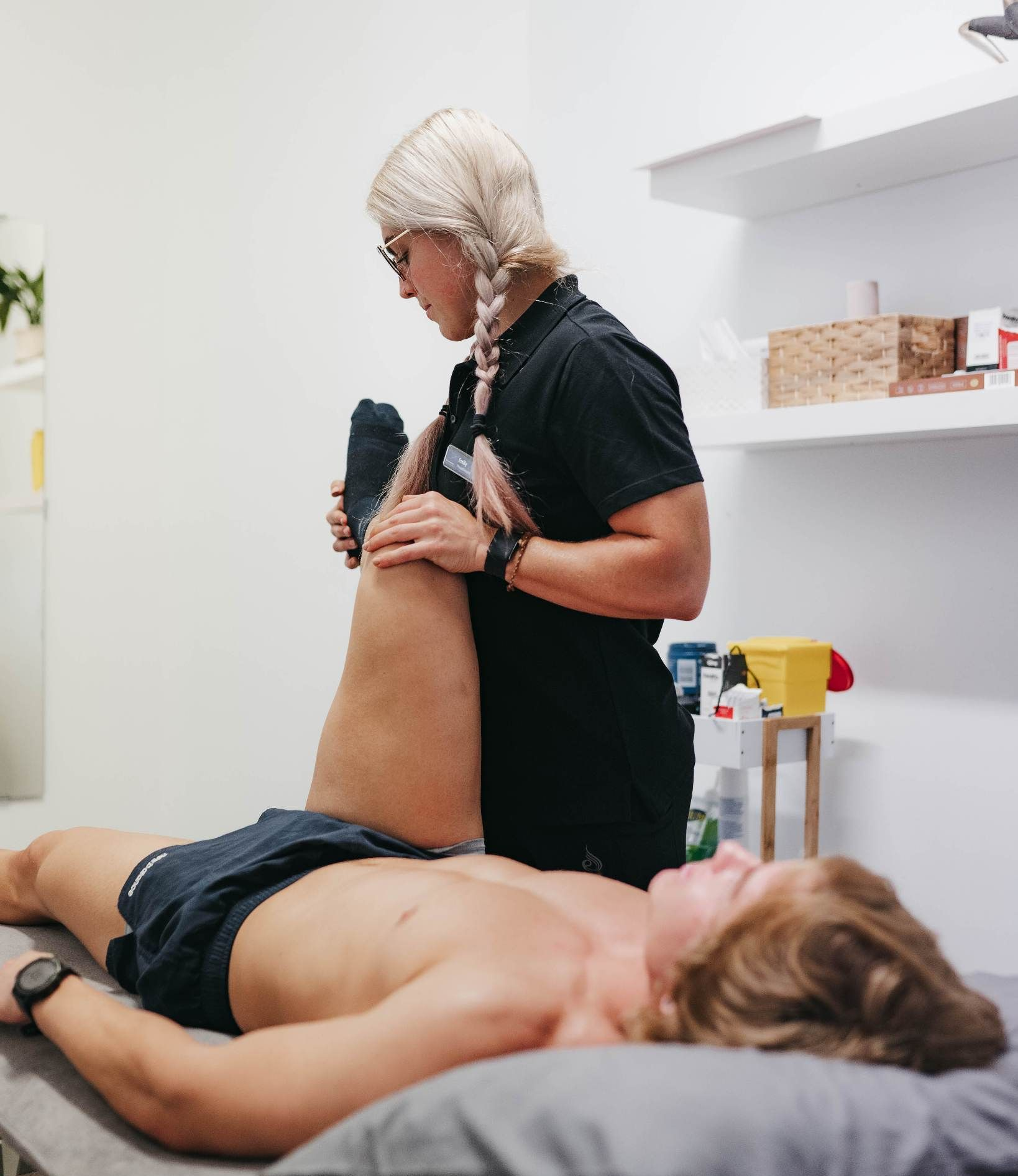
If you come in without an acute injury, the appointment is less about treatment and more about assessment and planning. Your physiotherapist will look at:
- How you move — posture, gait, functional movement patterns
- Strength and flexibility — identifying any asymmetries or restrictions
- Your activity history and goals — what you're doing, what you want to do, what might be in the way
- Any areas of previous injury or ongoing niggles — even things that feel minor
From there you'll get a clear picture of where your body is at and a practical plan — whether that's a home exercise program, regular check-in appointments, or simply some advice and reassurance that everything looks good.
How Often Should You Come In?
This varies enormously depending on your age, activity level, history and goals. Some people benefit from monthly check-ins during heavy training periods. Others find quarterly appointments sufficient for general maintenance. Some people come in once, get a program, and check back in every six months.
There's no formula — your physio will give you an honest recommendation based on your individual situation rather than a one-size-fits-all schedule.
If you're curious about what a proactive physio assessment might identify for you, book online or call us on (08) 7123 4148. You don't have to wait until something hurts.