First — Why Neck Pain Is Rarely Simple
Before getting into
techniques, it's worth understanding why neck pain can be so persistent. The cervical spine is an extraordinarily complex structure — seven vertebrae, multiple joints at each level, a dense network of muscles, the spinal cord and nerve roots, and blood vessels supplying the brain all occupying a relatively small space.
Pain can originate from any of these structures — joints, discs, muscles, nerves — and the pattern of symptoms varies significantly depending on the source. What feels like "just a stiff neck" might involve joint restriction, muscle guarding, disc irritation, nerve sensitisation or a combination of all of these. This is why a thorough assessment before treatment is essential rather than applying the same approach to everyone.
- Joint Mobilisation — Restoring Movement at the Source
Joint mobilisation involves applying controlled, graded movement to specific cervical joints to restore normal range of motion, reduce stiffness and modulate pain.
The facet joints of the cervical spine are a primary source of neck pain and stiffness — particularly the upper cervical joints at C1 and C2 which are involved in rotation, and the mid-cervical joints which are commonly restricted in people with desk-related neck pain. When these joints become stiff or irritated, the surrounding muscles guard and tighten in response, creating a cycle of restricted movement and pain that can be difficult to break with exercise alone.
Mobilisation directly addresses the joint restriction driving this cycle. Research consistently supports cervical joint mobilisation for reducing pain and improving range of motion in both acute and chronic neck pain — and it produces faster improvement in range of motion than exercise alone in the early stages of treatment.
At Active Balance we use graded mobilisation techniques — starting gently and progressing based on your response — to restore movement without aggravating symptoms.
The muscles of the neck and upper back — the upper trapezius, levator scapulae, suboccipitals, scalenes and sternocleidomastoid — are almost universally involved in neck pain presentations regardless of the primary source. They tighten in response to pain, sustained postures and stress, and they develop trigger points that refer pain to the head, shoulder and arm.
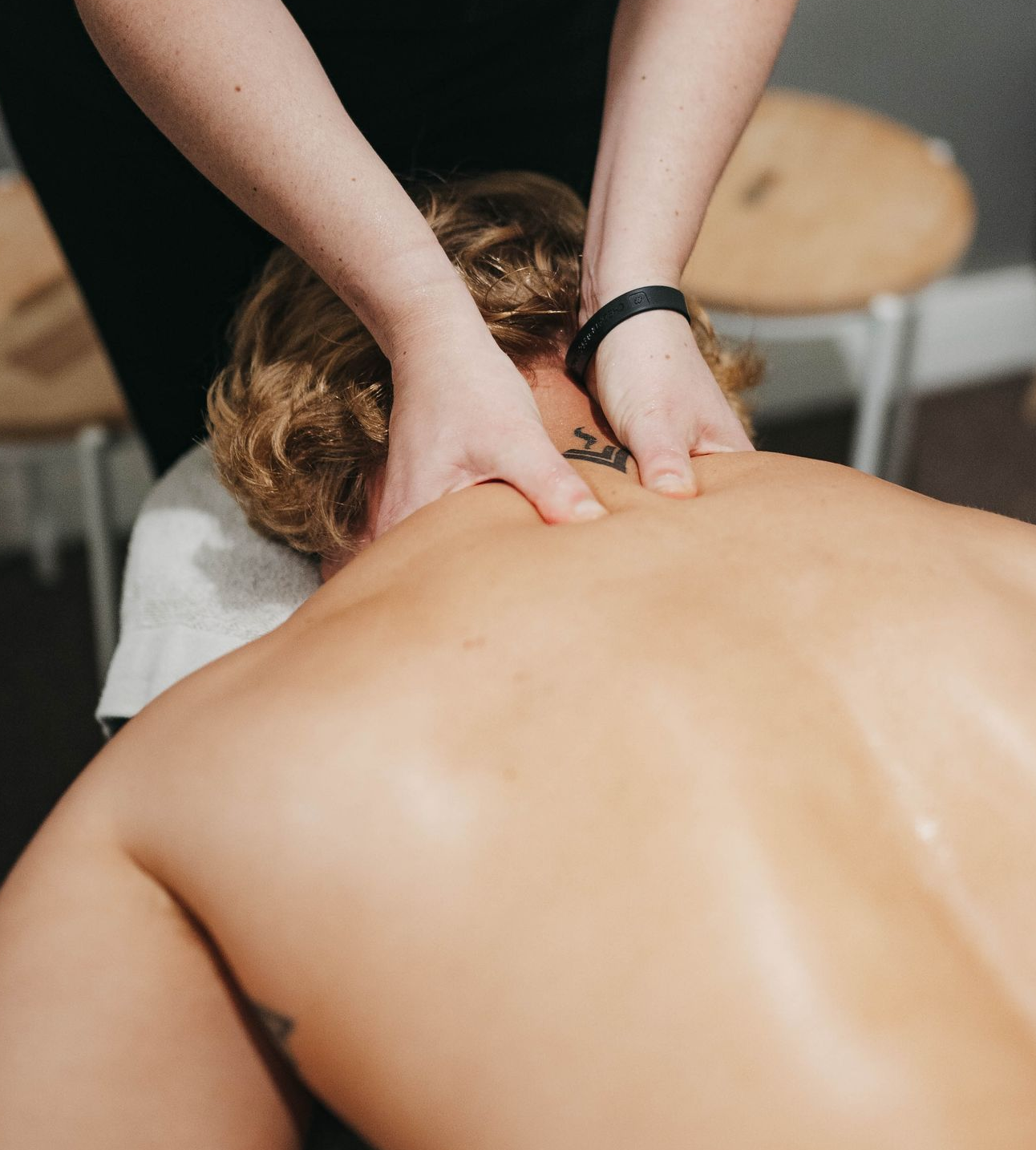
Hands-on soft tissue work targeting these muscles reduces the muscular component of pain and stiffness, improves blood flow to the area and directly addresses the trigger points that contribute to headaches and referred symptoms.
This is particularly valuable for people whose neck pain is significantly driven by stress and sustained postures — the muscles are responding to inputs from the nervous system as much as to any structural problem, and direct manual work is one of the most effective ways to interrupt that pattern.
Dry needling uses fine acupuncture needles inserted into trigger points within the neck and upper back muscles to release muscle tension, reduce pain and improve movement.
For persistent or deep trigger points that are difficult to reach effectively with surface massage — particularly the suboccipital muscles at the base of the skull, the deep cervical muscles and the trigger points that refer into the shoulder and arm — dry needling can produce results that hands-on soft tissue work alone cannot easily achieve.
The mechanism involves both a local response in the trigger point itself and a broader effect on the nervous system's processing of pain signals. Research supports dry needling as an effective adjunct for cervicogenic headache and chronic neck pain when combined with exercise and mobilisation.
Electro dry needling combines standard dry needling with low-level electrical stimulation through the needles. The electrical current enhances the response of the nervous system, promotes blood flow and can reduce pain sensitivity more effectively than dry needling alone for some presentations.
It is particularly useful for people with significant nervous system sensitisation — where the pain response has become amplified beyond what the tissue damage or restriction alone would explain — and for chronic presentations where the pain pattern has become well established and difficult to shift with manual therapy alone.
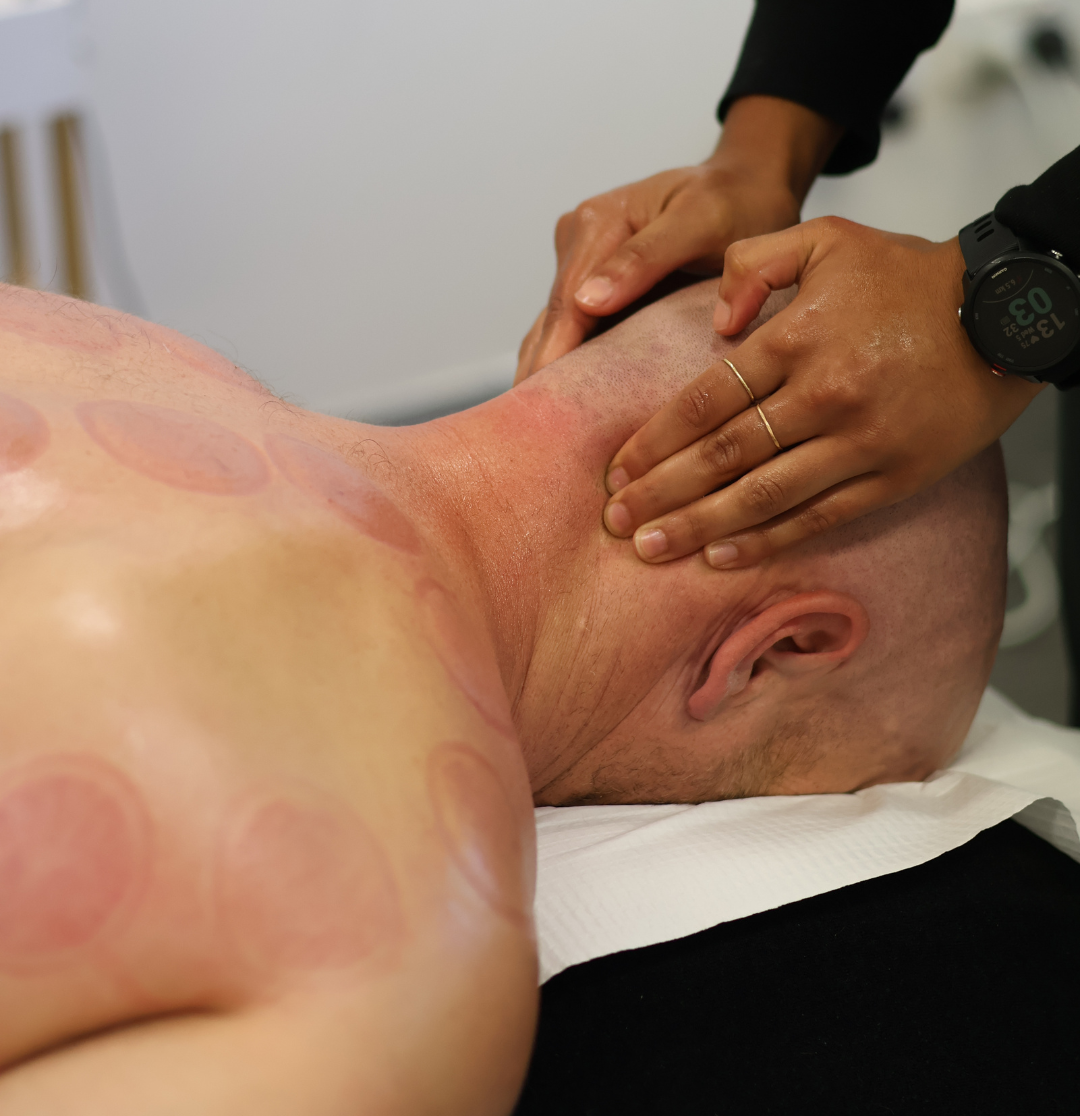
Myofascial cupping uses suction cups applied to the skin to lift and separate layers of fascia and muscle, improving circulation and reducing tension through the upper back, shoulders and neck. It is particularly effective for the dense, layered muscle tension that accumulates in the upper trapezius and periscapular muscles with prolonged desk work or repetitive upper limb activity.
Many people find cupping provides a distinctive type of relief that feels different to massage — a sense of decompression and space in the tissues rather than pressure being applied. The temporary skin marking that can follow cupping is normal and fades within a few days.
This is one of the more specialised techniques used for neck pain and one that is often overlooked in general practice. The cervical spine has an exceptionally high density of proprioceptive receptors — sensory organs that tell the brain where the head and neck are in space. Chronic neck pain, whiplash and prolonged postural stress all disrupt the accuracy of these receptors, contributing to symptoms like dizziness, unsteadiness, difficulty concentrating and a vague sense that the neck doesn't feel right even when pain levels are low.
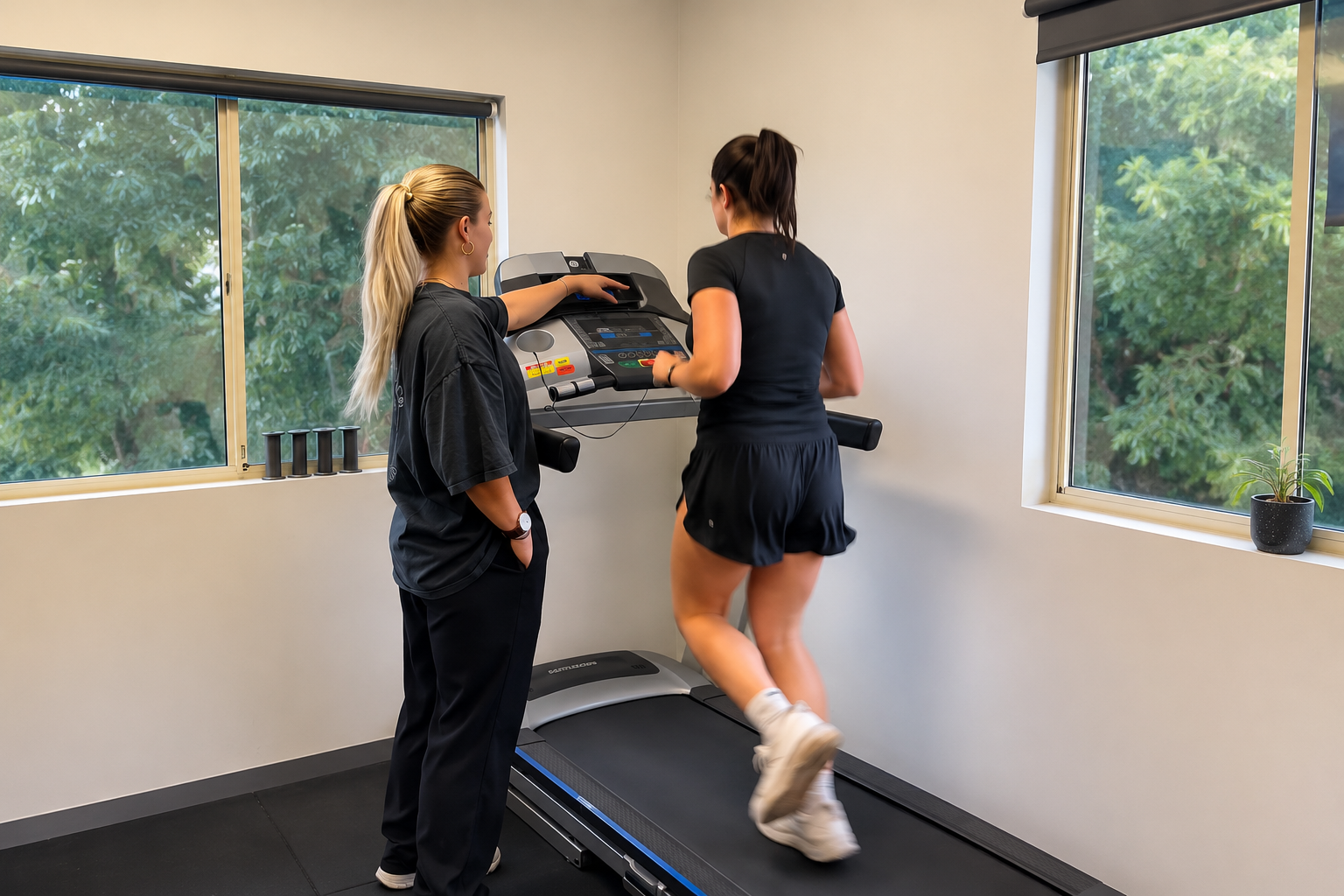
Cervical proprioception training uses specific head and eye movement exercises — including laser pointer targeting, gaze stabilisation and head repositioning tasks — to retrain the cervical proprioceptive system. At Active Balance we have dedicated cervical proprioception training available, which is particularly valuable for people with whiplash-associated disorders, chronic neck pain with dizziness, or persistent symptoms that haven't fully resolved with manual therapy and exercise alone.
- Targeted Strengthening — The Long-Term Solution
Hands-on techniques settle symptoms and restore movement — but the evidence is clear that the best long-term outcomes come from combining manual therapy with targeted exercise. Strengthening the deep neck flexors, the deep cervical stabilisers and the scapular stabilisers addresses the muscular weakness and postural dysfunction that drives most persistent neck pain.
Deep neck flexor strengthening in particular — targeting the longus colli and longus capitis muscles that provide stability to the cervical spine — is one of the most evidence-supported interventions for chronic neck pain and cervicogenic headache. These muscles are almost universally inhibited in people with neck pain and their weakness places greater demand on the superficial muscles that then become overloaded and painful.
Your exercise program is progressed from gentle activation work to more challenging strengthening as your symptoms allow — and is always designed around your specific weakness pattern rather than a generic neck exercise routine.
Putting It Together
The most effective approach to neck pain combines several of these techniques in a sequence that makes sense for your specific presentation:
For most people the sequence looks something like this — manual therapy and dry needling to settle symptoms and restore movement, soft tissue work to address muscle tension and trigger points, then progressive strengthening to build the capacity that prevents symptoms from returning.
For people with more complex presentations — chronic pain, significant nervous system sensitisation, whiplash-associated disorders — the approach is more nuanced and may incorporate electro dry needling, cervical proprioception training and a more gradual progression.
The common thread is that treatment is built around your assessment findings — not a standard protocol applied to everyone with neck pain.
If you're dealing with neck pain that isn't responding to basic management, book online or call us on (08) 7123 4148. We'll assess what's actually driving your symptoms and put together a treatment plan that addresses the cause rather than just managing the symptoms.